
You grab a coffee and a protein snack at the same time you notice your energy dip—coincidence, or a simple habit? You can set a steady rhythm by anchoring breakfast, splitting lunch, and adding a small, nutrient-dense bite around 2:45 p.m. Hydration matters, avoid oversized meals and pure caffeine boosts, and use a timer to stay consistent. It’s practical, evidence-based, and keeps you steady into the afternoon, with one more step that could change everything for you. Want to try it?
Key Points
- Establish three daily anchors: balanced breakfast, sustaining lunch, and a targeted 2:45 p.m. bite to blunt the energy lull.
- Plan a small, protein-rich afternoon snack with fiber and modest complex carbs to prevent blood sugar spikes.
- Split lunch: a larger midday portion plus a lighter, protein-rich, post-lunch option to avoid lethargy.
- Prioritize hydration and smart beverages; use water and electrolytes to reduce fatigue and brain fog.
- Focus on consistency over perfection; if a snack is missed, re-center with a quick, balanced bite to regain steadiness.
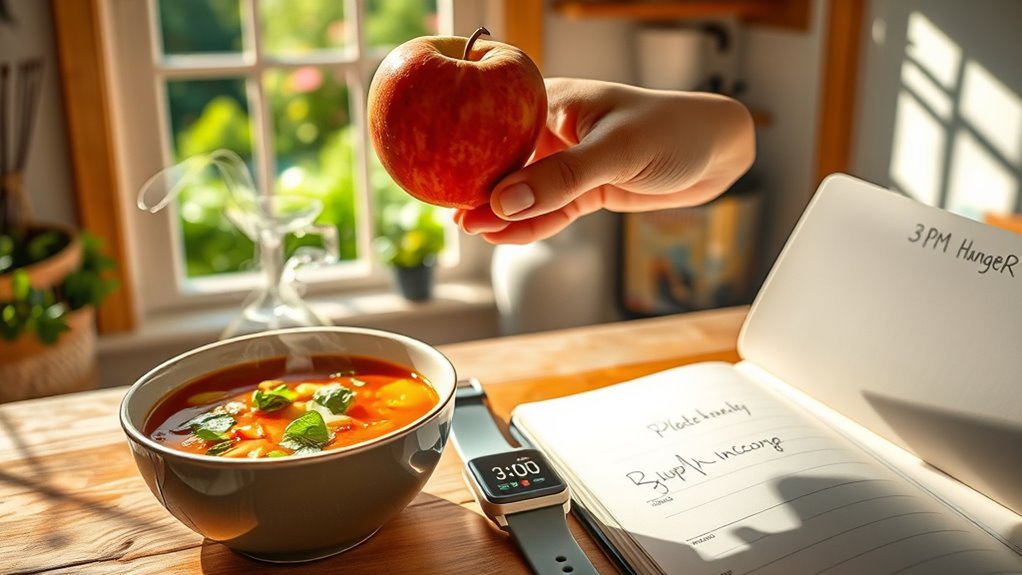
You’ve probably felt that mid-afternoon slump—the sudden hunger crash that drags your energy and focus down with it. I did too, and the pattern taught me something practical: the problem isn’t just willpower, it’s timing. When you train your schedule around steady fuel, those energy dips become manageable, not catastrophic. I began by tracking a simple daily rhythm, noting when cravings hit and how my mood shifted after meals and snacks. The goal wasn’t perfection, just a reliable baseline you can reproduce.
First, I mapped the day into three anchor points: breakfast, a lunch that sustains, and a deliberately timed afternoon bite. The afternoon snack wasn’t a treat; it was a strategic tool to blunt energy troughs. I experimented with snack timing and composition, prioritizing protein, fiber, and a modest amount of complex carbohydrates. Small, balanced bites kept blood sugar steadier, reducing the spikes that crash you later. You’ll notice that when your protein is adequate and your fiber is high, you stay in a more even energy lane.
I eliminated two common culprits that fed the hunger crash: oversized lunches and caffeine-only boosts. Large meals can trigger post-meal lethargy as your digestive system works overtime. Caffeine alone can mask hunger while overall energy continues to decline. Instead, I split lunch into a larger midday portion plus a lighter mid-afternoon option, ensuring neither window leaves you over- or under-fueled. If you rely on coffee, pair it with a small, protein-rich bite to prevent a later drop in clarity.
Hydration plays a surprisingly big role. Even mild dehydration magnifies fatigue and brain fog, making cravings feel more urgent. I aimed for a regular intake of water and, when appropriate, a low-sugar beverage with electrolytes. You don’t need fancy supplements to make this work; a water bottle and a quick-nutritious snack timer did the job.
Consistency matters more than perfection. If you miss your planned snack, don’t panic. Adjust by re-centering with a quick protein-rich option at the next opportunity, rather than waiting for the next energy dip to define your day. The habit I developed was a simple ritual: a planned, balanced bite at about 2:45 p.m. that preempts the crash.
The outcome wasn’t dramatic changes, but steadier afternoons. My focus stayed sharper, mood fluctuations less volatile, and the afternoon productivity window felt predictable again. If you want to end the 3 p.m. hunger crash, start with a clear snack timing plan, choose nutrient-dense options, and treat the afternoon as a controllable phase rather than a collapse. With practice, energy dips become signals you can preempt rather than excuses you must endure.
Common Questions
Does Caffeine Affect the 3 PM Hunger Crash?
Caffeine can influence the 3 pm hunger crash, but effects vary. You’ll notice that caffeine timing matters: having it too late may disrupt sleep and worsen cravings the next day, while a strategically timed dose can blunt afternoon hunger. Regular caffeine withdrawal can heighten sensitivity, making crashes feel sharper. If you’re sensitive, avoid daily reliance, cycle intake, and pair caffeine with protein or fiber to sustain energy through the afternoon.
Can Sleep Quality Worsen Afternoon Cravings?
If your sleep quality worsens, afternoon cravings can intensify. In a hypothetical case, you stay up late for work and wake groggy; you crave sugary snacks to boost energy. Sleep quality directly affects hormones like ghrelin and leptin, increasing hunger and snack urges in the afternoon. So yes, poor sleep can worsen afternoon cravings. Prioritize consistent bedtimes, limit screen time before bed, and aim eight hours to stabilize appetite and energy.
Are There Vegan Snack Options That Work?
Yes—there are vegan snack options that work. When hunger signals hit, reach for protein-rich choices like roasted chickpeas, a handful of nuts, or a hummus-and-vegetable plate. Pair carbs with fiber, such as an apple with almond butter or whole-grain crackers with avocado. Hydration helps, too. Track portions, and notice how these vegan snack choices stabilize appetite and energy, keeping you from crashing between meetings or workouts.
How Does Hydration Influence Hunger Signals?
Hydration can blunt hunger signals, because thirst can masquerade as appetite. When you’re well-hydrated, you’re less likely to confuse water deficit with hunger. Research shows hydration effects on short-term appetite and perceived fullness, especially before meals. So, you’ll likely notice muted hunger cues if you drink a glass of water first. If thirst isn’t the culprit, check fiber, protein, and fat at meals, which stabilize hunger signaling and support steady energy.
Is Intermittent Fasting Compatible With This Method?
Intermittent fasting can be compatible with this method for many people, but it depends on your goals and schedule. To assess compatibility, do a practical compatibility assessment: track hunger, energy, and focus during fasting windows; ensure hydration and electrolytes are sufficient; and test different fasting lengths. If you experience dizziness or irritability, adjust timing or calories. In short, it can work, but monitor responses and tailor to you.