
Your gut microbiome shapes how you extract energy, regulate inflammation, and signal hormones that govern glucose, fats, and appetite. In turn, your metabolic state—through bile acids, glucose flux, and immune activity—reshapes the gut environment and microbial balance. A diverse, stable microbiome reduces endotoxemia and insulin resistance, while a sound metabolism supports gut barrier integrity. It’s a two-way loop that invites closer look if you want lasting metabolic and gut health, and the evidence keeps pointing you toward practical steps.
Key Points
- The gut microbiome shapes energy extraction, hormones, and inflammation, directly influencing metabolic health like insulin sensitivity and glucose control.
- Gut barrier integrity reduces endotoxemia; a leakier gut drives chronic inflammation that impairs metabolism.
- Fiber and fermentation by gut microbes produce short-chain fatty acids that modulate inflammation and support metabolic signaling.
- Diets rich in plant foods and healthy fats improve microbiome diversity and metabolic outcomes, while limiting processed carbs stabilizes glucose.
- Consistent, small dietary changes create a reinforcing loop where better gut health boosts metabolism and vice versa.
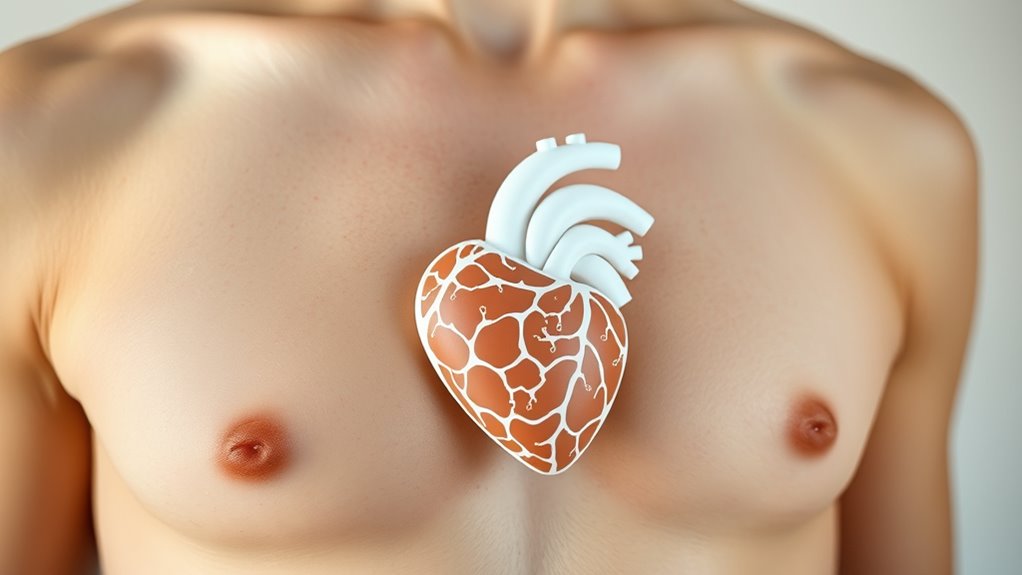
Metabolic health and gut health are deeply interconnected, and understanding their link can empower you to improve overall well-being. You’ll find that metabolic pathways in your body don’t operate in isolation; they hinge on signals from your gut, your gut microbiome, and the substances you ingest daily. When you improve the diversity and function of your gut microbiome, you can shift energy extraction, hormonal signaling, and inflammatory tone in ways that support insulin sensitivity and lipid balance. In turn, metabolic health shapes gut environment through bile acids, glucose flux, and immune activity. This bidirectional loop means small, targeted changes can yield compounding benefits.
Metabolic and gut health reinforce each other, with small, consistent changes yielding compounding benefits.
Evidence shows that dietary interventions influence both metabolism and gut ecology. Fiber-rich foods feed beneficial microbes, generating short-chain fatty acids that modulate inflammation and gut barrier integrity. Fermented foods can introduce live microbes that interact with immune cells and metabolic signaling pathways. You may notice improved satiety, steadier blood glucose, and reduced post-meal spikes when your meals emphasize vegetables, whole grains, legumes, and diverse plant sources. Beyond fiber, mindful protein choices, healthy fats, and limited ultra-processed items help harmonize gut-derived signals with hepatic and muscular metabolism.
Inflammation modulation sits at the core of the metabolic–gut axis. Chronic, low-grade inflammation can impair insulin signaling, alter liver metabolism, and disrupt gut barrier function, allowing microbial products to enter circulation. Conversely, a well-functioning gut barrier lowers endotoxemia and supports balanced cytokine responses. By prioritizing anti-inflammatory dietary patterns—antioxidant-rich produce, omega-3 fats, and polyphenols—you influence both gut microbiome composition and systemic metabolic pathways. Your emphasis on consistency over perfection matters, since cumulative, modest reductions in inflammatory mediators translate into measurable metabolic improvements over weeks and months.
Practical steps tie evidence to action. Start with a fiber-forward plate that includes a variety of soluble and insoluble fibers to nourish diverse microbial communities. Include fermented foods if tolerated, to introduce beneficial microbes without overloading the system. Choose sources of healthy fats—olive oil, fatty fish, avocados—that support cell membranes and signaling lipids involved in inflammation modulation. Limit added sugars and highly processed carbohydrates, which can destabilize glucose control and promote dysbiosis. Hydration and regular physical activity further support gut transit, microbial diversity, and metabolic efficiency.
Your body continuously integrates signals from the gut microbiome with metabolic pathways governing energy use, storage, and hormone release. By adopting dietary interventions that support microbial balance and barrier integrity, you can reduce inflammatory burden and improve insulin sensitivity. This integrated approach isn’t about chasing a single target; it’s about sustaining a coherent system where gut health and metabolic health reinforce each other, producing steadier energy, better appetite regulation, and a more resilient response to stress.
Common Questions
How Does Sleep Quality Influence Metabolic and Gut Health Synergy?
Sleep quality directly shapes metabolic and gut health synergy by modulating appetite hormones, insulin sensitivity, and gut microbiota composition. When you sleep well, your gut microbiota tends toward higher diversity and balanced fermentation, supporting healthier energy use. Poor sleep disrupts circadian rhythms, increases inflammation, and shifts microbiota toward less favorable taxa, impairing glucose control. Prioritize regular sleep, consistent timing, and deep, restorative rest to optimize both your metabolic and gut health outcomes.
Can Specific Probiotics Meaningfully Improve Both Metabolic and Gut Health?
Yes, certain probiotics can meaningfully improve both metabolic and gut health. You’ll want strains with demonstrated probiotic mechanisms that modulate inflammation, gut barrier integrity, and insulin sensitivity. Look for evidence linking changes in metabolic markers, like glucose or triglycerides, to specific strains. You’ll benefit most from a data‑driven approach: choose products with robust clinical trials, standardized dosages, and transparent handling, and monitor metabolic markers to gauge real-world effects.
Do Stress Management Strategies Affect Metabolic-Gut Health Together?
Yes, stress management strategies can positively affect both metabolic and gut health together. When you reduce stress, stress hormones decrease, improving insulin sensitivity and fat storage patterns. Better gut signaling occurs as the gut-brain axis quiets, supporting balanced digestion and inflammatory markers. Mindfulness, sleep optimization, and regular activity modulate autonomic tone, which data show correlates with improved metabolic biomarkers and healthier gut function. Prioritize evidence-based, holistic approaches for synergistic benefits.
What Role Do Hormones Play in Linking Metabolism and the Gut?
Irony here: hormones don’t just sit in glands collecting dust; they drive metabolic-gut links every day. You’re shaped by hormonal signaling that modulates appetite, insulin sensitivity, and fat storage, while gut brain axis interactions mirror mood and energy. In you, these pathways form feedback loops, influencing glucose, hormones, and microbial signals. Evidence-based, holistic data show these circuits connect via inflammatory markers and neural signals, guiding personalized strategies for metabolic and gut health.
Is There a Simple Daily Habit to Optimize Both Systems?
Yes—focus on a simple daily habit: eat a gut-friendly, fiber-rich diet and stay active. You’ll support microbial diversity, steady glucose, and energy balance. Aim for a variety of plant fibers, fermented foods, and regular meals, plus at least 150 minutes of moderate exercise weekly. Hydration helps digestion too. This evidence-based approach is holistic and data-driven, linking gut signals to metabolism. Consistency matters more than perfection, so make gradual, sustainable changes that fit your routine.