
You can beat late-night snacking by setting a firm no-snack window right after dinner and sticking to it daily. Pair it with a simple ritual—like brushing your teeth, sipping water, or a brief walk—that signals the eating day is over and aligns with your sleep schedule. When cravings hit, use quick non-food strategies and adjust the routine without breaking the rule. It’s practical, evidence-informed, and tool you can customize, but a single change often changes the whole evening.
Key Points
- Establish a fixed no-snack window after dinner and adhere to it every night.
- Pair the window with a brief, concrete ritual signaling the end of eating.
- This habit reduces late-night calories and stabilizes overnight appetite hormones.
- Use quick, non-food coping strategies if cravings arise and analyze relapses to adjust routines.
- Track adherence and sleep impact to reinforce a predictable, evidence-informed boundary.
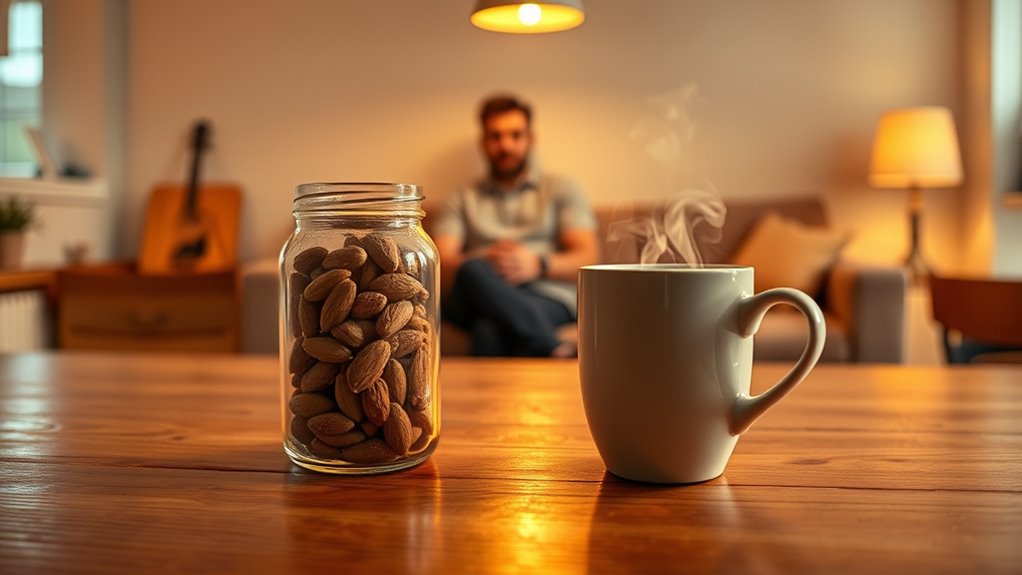
Nighttime snacking used to derail my sleep and my goals, but a simple habit changed that: I set a fixed “no snack” window after dinner and stick to it every night. You can do this too. This approach is anchored in practicality and a growing base of evidence showing that structured evening boundaries reduce caloric intake and improve sleep quality. Rather than relying on willpower alone, you create a predictable routine that minimizes decision fatigue and snack distractions. The core idea is simple: set a time you will not eat after your last bite of dinner, and adhere to it consistently.
First, you need a clear cut-off that aligns with your schedule and sleep needs. Most adults benefit from at least a two to three hour pause before lying down, which supports digestion and nocturnal rest. By choosing a fixed window, you remove guesswork and temptations that arise when you’re tired or stressed. This is particularly effective when you pair the window with a brief, concrete ritual—brushing teeth, hydrating, or a short walk—to signal the end of the eating day. The ritual reinforces the boundary and reduces snack distractions.
From an evidence-based lens, the habit works by decreasing exposure to late-night calories and stabilizing appetite hormones overnight. It also helps you reframe snacking as a deliberate choice with consequences for sleep and energy, not a passive activity. In practice, you’ll likely notice a reduction in mindless grazing sparked by boredom or watching television. If cravings creep in, you can deploy a quick, non-food coping strategy: a glass of water, a 2–3 minute mindfulness pause, or a low-calorie, low-sugar beverage that doesn’t fall into your no-snack window. The goal is to acknowledge the urge without acting on it.
To sustain this, track your adherence and outcomes briefly. Note what time you start the no-snack window, how you feel at bedtime, and your morning alertness. Acknowledge improvements in sleep continuity and energy, which reinforce the behavior. If you relapse, analyze why: was there social pressure, a late snack due to stress, or fatigue that bypassed your window? Adjust by shifting your wind-down routine, not abandoning the rule.
In daily life, the habit reduces decision fatigue during the evening and lowers exposure to snack distractions that commonly derail goals. It also cultivates a clearer boundary between work, leisure, and sleep, supporting overall health. By keeping a consistent no snack window after dinner, you make nighttime routines predictable, measurable, and easier to sustain, turning a simple rule into a durable, evidence-informed strategy for better sleep and steadier energy.
Common Questions
How Long Does It Take to Form This Habit?
You’re not forced into a miracle, so the time frame isn’t dramatic: expect 21 to 66 days for a habit to stick, depending on effort. If you stay consistent, the habit formation becomes smoother and more automatic. Irony aside, you’ll feel the change as cravings fade and routines click. Track progress daily, keep cues simple, and celebrate small wins. In practice, persistence beats luck, turning this habit into lasting daytime discipline.
Can I Apply It to Other Bad Eating Habits?
Yes, you can apply it to other bad eating habits. Start with clear cues, implement a small, sustainable replacement, and track progress to support habit maintenance. Practice habit transfer by linking the new behavior to the same trigger, then reinforce consistency with brief, daily checks. Evidence suggests gradual repetition compounds behavior change. Stay patient; consistency beats perfection. Over time, you’ll notice improved control, and your habit maintenance will strengthen, making healthier choices feel automatic rather than forced.
What if I Forget to Practice It Consistently?
If you forget to practice it consistently, you can regain momentum quickly. About 40% of habits fade after a lapse, but “rebuild” is practical: set a tiny trigger, reframe the next snack as a choice, and practice again tonight. Forgetting consistency happens; use these tips to rebuild: reset your goal, log one successful day, and reconnect to your why. Stay patient, track progress, and repeat daily for lasting change.
Does It Require Any Special Tools or Apps?
You don’t need fancy tools to start; simple, low-friction options work. You can rely on discipline or motivation to stay the course, and use minimal tracking tools per habit—like a calendar checkmark or a quick log. Evidence suggests consistency matters more than perfection, so pick a method you’ll actually use. If you slip, reset tomorrow, not later. The goal is regular accountability, not perfection, so keep it practical and enduring.
Is It Effective for All-Nightshift Schedules?
Night shift adaptation can work, but it isn’t universal. Some studies show up to 60% adherence when routines are consistent. You’ll likely see benefits if you prioritize stable sleep times and strategic meals. The habit formation duration varies, but expect several weeks to several months of practice. If you maintain sleep hygiene, your/night shift adaptation improves, and the habit sticks. Keep it evidence-based, practical, and monitor how your body responds.