
You structure meals to balance protein, fiber, and healthy fats in each eating window, aiming for steady energy and lasting fullness. Start with breakfast to set a reliable energy baseline, insert strategic mid-day snacks to prevent crashes, and favor nutrient-dense, voluminous lunches. In the evening, choose slower-digesting proteins and fiber-rich veggies to sustain satiety overnight. Track portions and feelings, tweak fiber and timing as needed, and stay consistent enough to notice the pattern—and decide what to adjust next.
Key Points
- Start with a balanced breakfast featuring protein, fiber-rich carbs, and healthy fats to steady energy and curb cravings.
- Use mid-day small, pre-portioned snacks with fiber, lean protein, and a light fat to prevent crashes.
- Build nutrient-dense lunches with lean protein, complex carbs, vegetables, and modest fat for volume and fullness.
- Choose evening meals with slow-digesting protein and high-fiber vegetables to sustain fullness and reduce late eating.
- Track meals and feelings to adjust portions and timing, reinforcing structure that supports satiety.
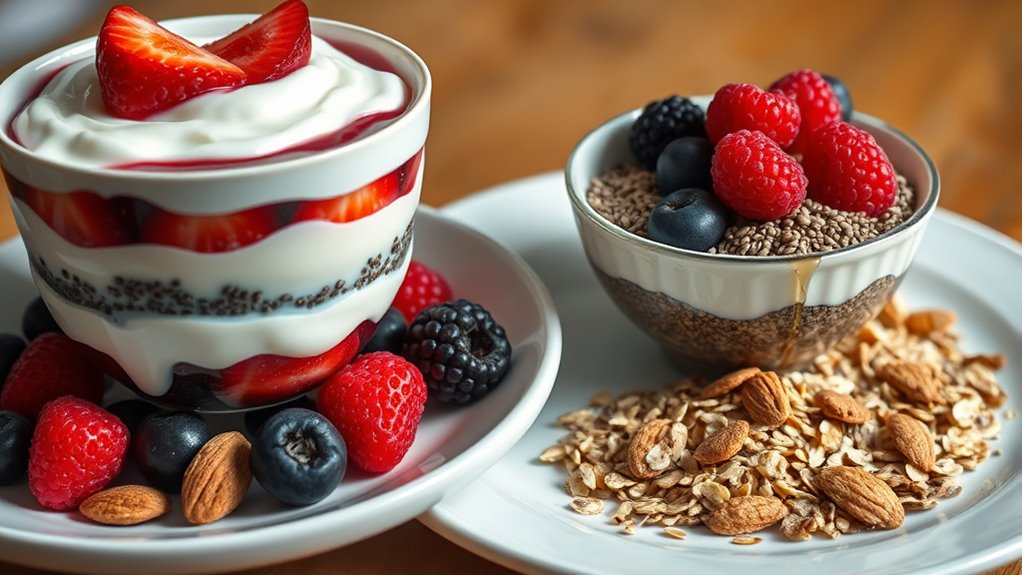
Ever wonder how meal structure can curb appetite and extend fullness throughout the day? You’re here because you want a practical, evidence-based approach you can apply now. The core idea is that predictable meal patterns help your body signal satiety cues more effectively and reduce the likelihood of hunger-driven, impulsive choices. By aligning protein, fiber, and fat at regular intervals, you create a steady metabolic rhythm that supports sustained fullness rather than brief, divisive peaks and valleys.
Your day starts with a deliberate breakfast that sets the pace for appetite control. Aim for a moderate portion with high-quality protein, fiber-rich carbohydrates, and healthy fats. This combination improves satiety cues and dampens postprandial spikes that often trigger cravings hours later. You don’t need extreme sizes; you need balance and consistency. If you train in the morning, time your intake to replenish glycogen and support recovery, not just to appease hunger.
Your day begins with a balanced breakfast to curb cravings and steady energy.
Mid-morning and mid-afternoon snacks should function as strategic anchors, not as afterthoughts. Choose portions that are small enough to prevent energy crashes but substantial enough to maintain alertness and mood. A fiber source, a lean protein, and a small fat boost work well. The goal is not to eliminate hunger entirely—it’s to keep it manageable and predictable. When you snack, you reinforce portion control by measuring servings and using pre-portioned containers or packaging. This habit reduces mindless grazing and helps you honor satiety cues.
Lunch should be a complete, balanced meal from a nutrient-density perspective. Include lean protein, complex carbohydrates, vegetables for volume, and a modest amount of fat. Volume-rich meals with adequate protein tend to prolong fullness, improving satiety cues while preventing energy dips that lead to snacking. You’ll notice that consistent meal timing supports cognitive function and mood stability, which further reinforces adherence to your plan.
Evening meals are an opportunity to consolidate daytime structure without provoking late-night overeating. Favor slower-dasting proteins and high-fiber vegetables to extend fullness into the night. If you drink, consider beverages that don’t contribute unnecessary calories and won’t disrupt your appetite signals. Consistency matters more than perfection; aim for a reliable pattern that you can sustain.
Tracking progress helps translate theory into practice. Keep brief notes on what you eat, portion sizes, and how you felt between meals. Look for patterns: days when you hit targets for protein, fiber, and fat often correlate with stronger satiety cues and fewer cravings. If a meal doesn’t curb appetite as expected, adjust portion sizes slightly, tweak fiber intake, or shift timing by 15 to 30 minutes. The evidence supports that carefully planned meal structure, with mindful portions, enhances fullness, reduces hunger-driven decisions, and supports long-term adherence.
Common Questions
How Soon After Waking Should I Eat to Maximize Fullness?
You should eat within 30 to 60 minutes after waking to maximize fullness. Early intake helps jumpstart satiety hormones and stabilizes blood glucose, supporting fullness optimization across the morning. Opt for a balanced meal with protein, fiber, and healthy fats, and aim for steady energy rather than a sugar spike. If you’re not hungry, start with a small protein snack and hydrate, then progressively increase portions as appetite returns. Adjust timing based on activity and sleep quality.
Do Liquid Meals Count Toward Meal Structure Fullness?
Liquid meals can count toward meal structure fullness, though they often produce shorter fullness duration than solid meals. Think of them like a smoothie that slides through quickly but still delivers protein, fiber, and hydration. You should pair liquid meals with fiber-rich foods and adequate protein to sustain fullness longer. Evidence supports spaced, balanced intake. Monitor portion size, avoid liquid-only meals for long durations, and tailor to your behavioral cues and activity level for best fullness duration.
Can I Adapt Meal Structure for Workouts and Recovery?
Yes, you can adapt meal structure for workouts and recovery. Use adapting workouts to time nutrient intake around training: a balanced pre-workout meal or snack for energy, and post-workout recovery fueling with protein plus carbs to support repair. Space meals to sustain performance and avoid crashes. Prioritize total daily protein, hydration, and electrolytes. This approach aligns with evidence-based guidelines and translates to practical, clinical-focused strategies you can apply consistently.
Is Skipping Meals Possible Without Losing Fullness Benefits?
Skipping meals is possible, but you’ll trade fullness benefits for convenience, appetite control, and energy consistency. You’ll risk sharper hunger, potential overeating later, and disrupted training rhythms. If you skip meals, you need careful timing, protein and fiber at meals, and strategic hydration to manage fullness tradeoffs. You’ll rely on evidence-based planning, clinical insight, and practical adjustments—portion control, nutrient density, and moderate caloric distribution—to sustain satiety during your workouts and recovery.
How Long Does It Take to See Results?
Results timeline varies, but you’ll typically notice changes within 1–4 weeks with consistent meal timing and structured portions. How long does it take depends on your baseline, adherence, and fiber/protein intake. You may feel steadier fullness after meals and longer gaps between snacks. Track fullness ratings and appetite cues to gauge progress. The fullness impact grows as you align meals to your energy needs, ensuring balanced macronutrients and hydration for sustainable results.