
You’ll likely feel better snacking when you pick simple, real foods with fiber plus protein or healthy fats, and you’ll see steady energy and fewer gut ups and downs. Start small, rotate options to feed diverse microbes, and time snacks to align with your energy signals. If you try something new, test on a calm day and note gas, fullness, and mood, then adjust. The pattern you set now could change how you feel tomorrow, quietly guiding your next choice.
Key Points
- Tiny snack choices add up; prioritize real, fiber-rich foods over ultra-processed options for gut-friendly progress.
- A balanced mini-meal with protein, fiber, and healthy fats enhances satiety and supports diverse gut microbes.
- Align snacks with energy rhythms, using a 3 p.m. mini-meal or post-workout bite to prevent later overeating.
- Use practical tests: choose snacks with at least one fiber source and one protein or fat, and observe gut responses.
- If one day slips, reset at the next meal; consistency and simple, reproducible options beat perfection.
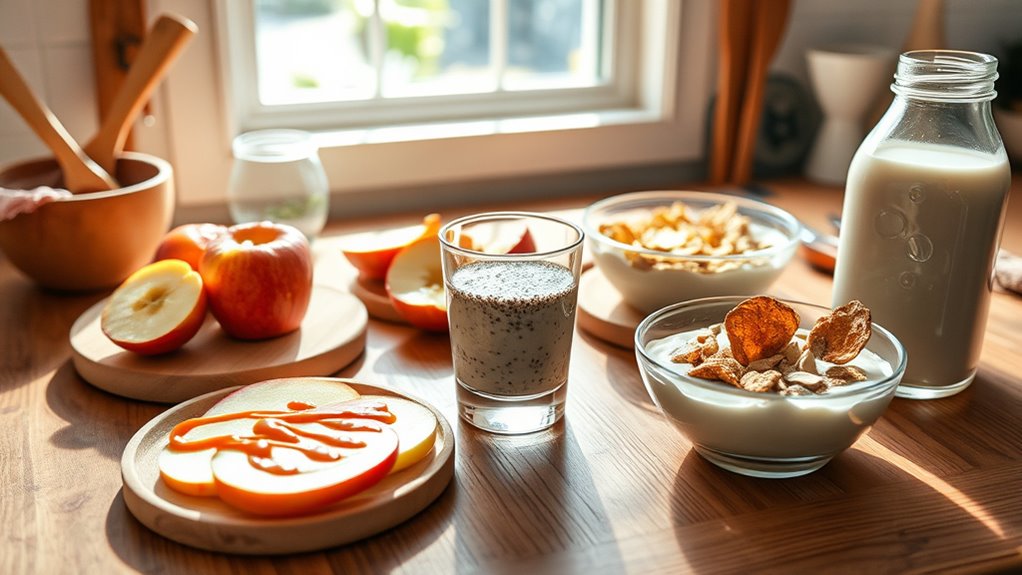
Gut-Safe Snacking proves you don’t have to sacrifice flavor or convenience to protect your gut. You’ve probably heard that tiny choices add up, and that idea applies to snacks just as much as to meals. The gut microbiome influences digestion, mood, and energy, so your snack routine isn’t trivial—it’s part of your daily health plan. When you choose foods that support diverse microbes, you’re stacking the odds in your favor for smoother digestion and steadier appetite signals. You’ll notice better tolerance for fiber-rich options and a reduced risk of late-afternoon crashes, especially when you keep portions reasonable and ingredients simple.
Reliability matters more than hype here. Start with real foods rather than ultra-processed products. A snack that blends protein, fiber, and healthy fats tends to promote satiety and stable blood sugar. Think a small handful of nuts with a piece of fruit, yogurt with berries, or veggie sticks with hummus. These combinations give your gut microbiome what it needs to flourish: diverse fibers, resistant starch, and fermented foods when you rotate them thoughtfully. You don’t have to overthink every bite, but you do benefit from consistency—habit beats perfection when it comes to long-term gut health.
Snack timing is more than a clock check. It’s about aligning eating patterns with your energy rhythms and your body’s signals. If you’re routinely famished at 3 p.m., a balanced mini-meal then can prevent overeating later. If you train in the morning, a light pre-workout bite and a protein-rich post-workout snack can support recovery without taxing digestion. Avoid long gaps that drive binge-like choices, and avoid grazing around the clock, which can overwhelm your gut and your schedule. By choosing timely snacks, you guard against both discomfort and mood dips, supporting steadier focus and less irritability.
Label-reading becomes a practical habit, not a punishment. Look for whole-food ingredients, limited added sugars, and minimal artificial additives. A practical rule: every snack should deliver at least one fiber source and one source of protein or healthy fat. If you’re unsure about a product, test it on a low-stress day and note how your body responds over a few hours—gas, fullness, energy, mood. Your body is intelligent, and these observations guide better choices over time.
Empathy matters in this journey. If a day goes off-track, remind yourself that one snack won’t derail your gut health. Recenter at the next meal, reset your expectations, and lean into simple, reproducible options tomorrow. You don’t need complexity to support your gut. You need consistency, mindful timing, and foods that nourish your microbiome without weighing you down. With these shifts, you’ll snack smarter, feel better, and keep your gut-friendly habits sustainable.
Common Questions
Can Gut-Safe Snacks Trigger Migraines for Some People?
Yes, gut-safe snacks can trigger migraines for some people. You might notice gut triggers sparking headaches, especially if you’re sensitive to certain foods or additives. To navigate this, track what you eat, note timings, and look for migraine connections between meals and symptoms. Start with simple, low-risk snacks, and introduce one variable at a time. If needed, work with a clinician or dietitian to identify personal triggers and tailor a practical, evidence-based plan.
Are Dairy-Free Snacks Always Gut-Safe for IBD?
No, dairy-free snacks aren’t always gut-safe for IBD. You should consider individual triggers, since dairy-free myths persist and hidden dairy risks can lurk in processed foods. Look for labels like “pareve” or “dairy-free” with caution, and check for trigger ingredients such as casein or whey derivatives. Track your reactions, consult a dietitian, and choose whole, minimally processed options when possible. Your vigilance helps you navigate dairy-free myths and reduce flare risks.
How to Identify Hidden Gut Irritants in Packaging?
Hidden ingredient alarms you when you read labels and notice vague packaging claims. To spot irritants, inspect every ingredient list, note hidden dairy, sweeteners, and addins like inulin or chicory. Check for cross-contamination statements, facility notes, and allergen declarations. When in doubt, contact the manufacturer, ask for sourcing info, and compare multiple brands. You’ll feel empowered, practical, and safer, because careful scrutiny turns unknowns into actionable choices for your gut.
Do Gut-Safe Snacks Affect Energy or Blood Sugar?
Yes, gut-safe snacks can affect your energy and blood sugar. When you choose balanced options with protein, fiber, and healthy fats, you often see steadier energy and a gentler blood sugar impact. Avoid ultra-processed, high-sugar items that spike levels and later crash you. Track how different snacks feel for you, aiming for gut safe energy that lasts. If you have conditions, consult a clinician for personalized guidance and gradual adjustments.
Can Kids Tolerate Gut-Safe Snacks Like Adults?
Kids tolerance can vary, but many children tolerate gut-safe snacks as well as adults, with careful choices. You should start small, monitor reactions, and tailor textures to preference. Snack textures matter: smoother options for sensitivities, firmer or chewier ones for kids who chew well. Evidence suggests gradual introduction reduces discomfort. If symptoms appear, pause and reassess ingredients. Seek professional guidance for persistent issues, and celebrate gradual, steady progress to support overall gut health.