
You crave quick snacks, yet you also want lasting fullness. A protein-forward, fiber-rich combo with a touch of healthy fat tends to keep you satisfied longer, especially when you factor in portion size and timing. Aim for roughly 200–300 calories with about 15–25 g protein and 5–10 g fiber, plus moderate fat to slow digestion. Consider pairing to stabilize energy between meals, and see how your cravings respond as you test practical, evidence-informed options.
Key Points
- Pair 15–25 g protein with 5–10 g fiber to maximize satiety and slow digestion.
- Add a small amount of healthy fats to slow gastric emptying and boost palatability.
- Aim for 200–300 calories per snack to quell hunger without overdoing calories.
- Schedule snacks every 2–3 hours and tailor timing to cravings and hunger cues.
- Track satiety duration and next hunger to adjust protein, fiber, or portions as needed.
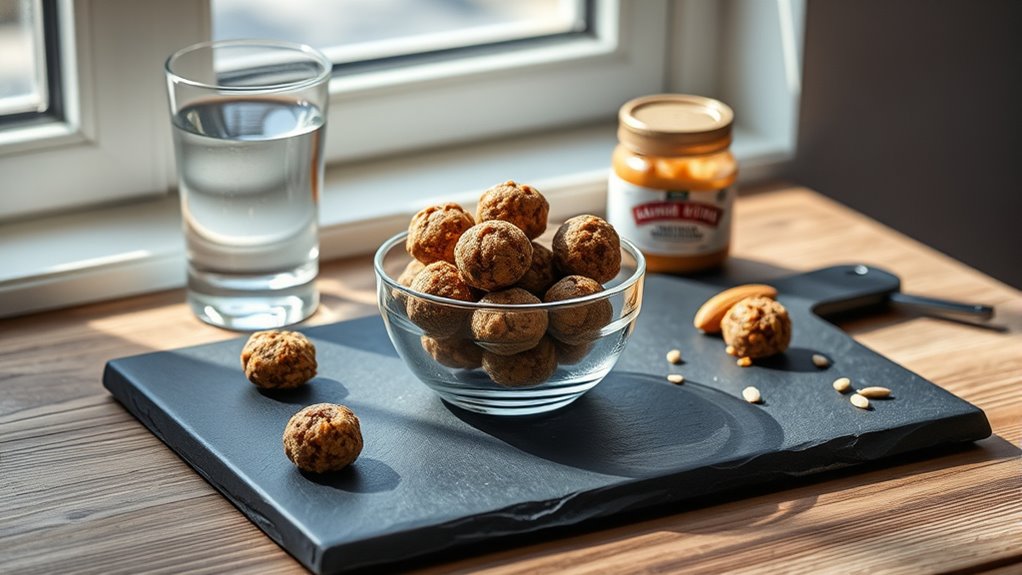
What snack formula keeps you full for hours? You’re looking for a practical, evidence-based approach that aligns with satiety science and snack timing. In this framework, you prioritize macronutrient balance, fibre, and volume to dampen hunger without overloading calories. A meaningful starting point is to pair protein with fiber-rich carbohydrates and include a small amount of healthy fats. Protein stimulates appetite suppression more effectively than carbohydrates alone, while fiber slows digestion and prolongs gastric emptying, extending the period before you feel hungry again. Fat adds palatability and slows gastric emptying further, contributing to sustained fullness without excessive energy intake.
Pair protein with fiber-rich carbs and a touch of healthy fats to sustain fullness.
Snack timing matters as much as content. Research on satiety science suggests that distributing intake to avoid long fasting periods can blunt hunger signals and stabilize daily energy intake. For most people, consuming a balanced snack within two to three hours after a meal or mid-morning to early afternoon helps maintain a steady energy baseline. Crucial, portion size should be calibrated to energy needs; excess calories offset the satiety benefits and can trigger a compensatory increase in intake later. A practical rule is to aim for a snack around 200 to 300 calories, with roughly 15 to 25 grams of protein, 5 to 10 grams of fiber, and modest fat.
Your snack composition could include yogurt with berries and a small handful of nuts, a whole-grain slice with almond butter, or a small hummus-and-vegetable plate with a boiled egg. In each case, the protein anchor supports satiety signals, while fiber-rich components slow digestion and add bulk, expanding stomach distension that contributes to fullness. Hydration also plays a role: beverages with minimal caloric impact can support satiety when consumed with a snack, but they shouldn’t replace the nutrient-dense elements that drive satiety science outcomes.
You should monitor evidence-based indicators: how long you stay satisfied after a snack, the time to the next perceived hunger, and whether you experience cravings. If you find you’re hungry soon after a snack, reassess the protein and fiber targets or adjust the portion size within your energy ceiling. If cravings persist between meals, you may benefit from slightly larger or more frequent protein-containing snacks, always aligning with your daily energy needs and activity level.
Consistency matters. A routine that integrates a protein-forward, fiber-rich snack closer to the middle of your day can smooth appetite fluctuations, support steady energy, and reduce grazing. Remember that individual responses vary, so use your own observations alongside general guidance from satiety science and snack timing research. By prioritizing balanced macronutrients, adequate fiber, controlled portions, and timely intake, you create a practical, evidence-informed snack strategy that supports lasting fullness without unnecessary calories.
Common Questions
How Many Calories Are in One Portion?
A typical portion contains about 200 to 250 calories, depending on the snack mix and ingredients. In one study, higher-protein, higher-fiber combinations extended satiety more than simple carbs, yet calories still need accurate tracking. For your situation, check the label to verify the calorie count per portion size, and compare with your daily goals. If you’re tracking, log the exact portion size you eat to ensure precise calorie accounting and maintain consistent intake.
Can This Work for Kids and Teens?
Yes, this approach can work for kids and teens with adaptations. Start by selecting nutrient-dense, kid-friendly options and adjust portions to age and activity. Consider topic ideas like balanced macros, fiber, and hydration. Prioritize safety considerations, such as avoiding choking hazards and monitoring allergy risks. Use evidence-based guidance to evaluate portion sizes, timing around activities, and potential impact on appetite for meals. Always consult a pediatrician or dietitian if you have health concerns or special needs.
Is It Suitable for Vegan Diets?
Yes, it can be suitable for vegan diets if you choose vegan substitutions. You’ll want plant based protein sources that support satiety, like legumes, nuts, seeds, and whole grains. Ensure balanced portions, fiber, and essential nutrients. Incorporate vegan substitutions to maintain protein quality, such as fortified soy, pea protein, or hemp. For evidence-based planning, monitor total calories and fiber tolerance, adjust timing around activity, and diversify ingredients to avoid monotony while maintaining fullness.
How Often Should I Eat It Daily?
You should eat it 1–3 times daily, depending on your energy needs and total daily intake. Imagine fueling windows: a steady, calm hum of energy separates meals, not a spike. Daily frequency should align with your hunger cues and activity level, not rigid rules. If you’re active, you may lean toward closer to three; if you’re sedentary, two or one could suffice. Track portions and adjust thoughtfully, prioritizing balanced nutrition and sustained fullness.
Does It Cause Stomach Discomfort?
Yes, it can cause stomach discomfort for some people. You’ll want to monitor tolerance, since taste vs digestion varies widely, and individual responses differ. Start with small portions to assess symptoms, and adjust portioning concerns accordingly. If you notice bloating, gas, or abdominal pain after a snack, consider delaying or pairing with fiber or protein to ease digestion. Stay mindful of timing and avoid overeating, which often aggravates discomfort.