
Did you know acute stress can briefly speed up your gut movements, while chronic stress tends to slow them and disrupt timing? You’ll see how the sympathetic surge, CRH signals, and HPA axis interplay shape your gut’s tempo, sometimes amplifying sensations. The picture gets more complex with serotonin, immune cues, and individual coping resources all influencing outcomes. If you want a clearer map of when stress helps or hurts, you’ll find the threads worth pulling.
Key Points
- Stress alters gut transit speed and movement patterns, from esophagus to colon, influencing overall motility and symptoms.
- Acute stress can transiently speed up contractions via sympathetic and CRH pathways, with variable individual responses.
- Chronic stress often slows propulsion and dysregulates motility through HPA axis activity and altered gut serotonin signaling.
- Stress amplifies GI symptoms in IBS and functional dyspepsia by increasing visceral sensitivity and brain–gut signaling interactions.
- Mind–gut therapies (relaxation, CBT, mindfulness) can normalize motility and reduce stress-related gut symptoms.
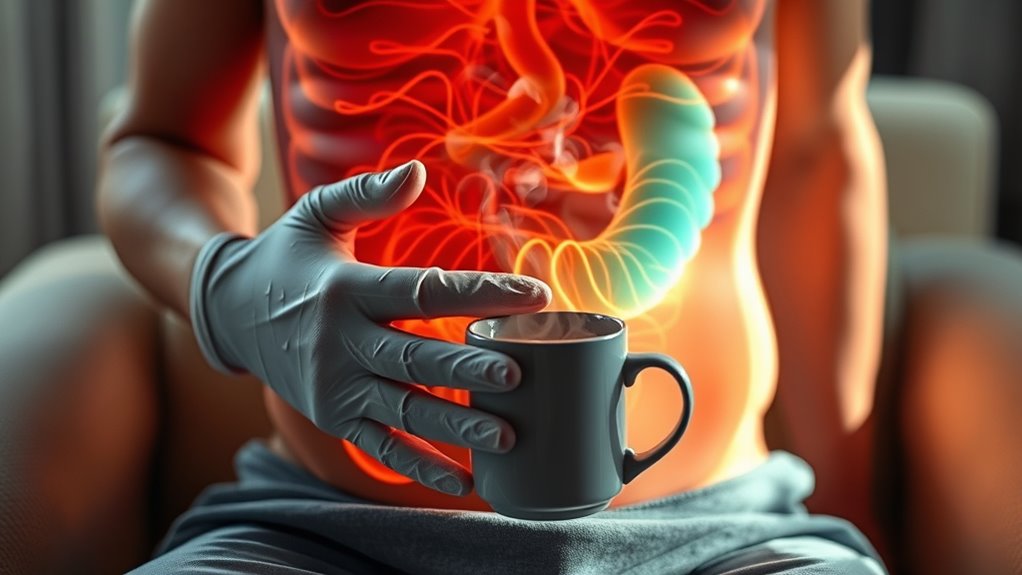
The curious link between stress and gut motility is more than a curious coincidence: mounting evidence shows that acute and chronic stress can alter how quickly or slowly your gut moves, with effects ranging from transient butterflies to clinically relevant disorders. You’ll explore how the stress response reshapes motor patterns across the gastrointestinal tract, from esophagus to colon, and you’ll see why timing and context matter for outcomes. In this field, rigorous studies track cortisol release, autonomic arousal, and inflammatory signaling alongside measures of transit velocity and peristaltic rhythm. The pattern is not uniform: some individuals experience rapid transit and loose stools, others endure slowed transit and constipation, while a subset reports pain and hypersensitivity without clear anatomic damage. This heterogeneity reflects interactions among brain networks, gut neurons, enteroendocrine cells, and the microbiota, all integrating stress signals into motor commands.
You’ll find consistent evidence that acute stress can transiently accelerate gut motility in some people, potentially via sympathetic activation and CRH pathways that modulate velocity of contractions. Conversely, chronic stress often associates with slowed motility or dysregulated propulsion, linked to hypothalamic–pituitary–adrenal (HPA) axis activity, altered serotonin signaling in the gut, and immune-mediated changes that affect smooth muscle function. Across observational and experimental studies, researchers emphasize the role of context: subjective stress appraisal, coping capacity, and prior conditioning shape how the gut responds. Experimental protocols occasionally induce stress in healthy volunteers while recording transit times, phasic contractions, and visceral sensation, revealing dose–response patterns and individual variability. In clinical populations, stress exposure can magnify symptoms in irritable bowel syndrome and functional dyspepsia, where gut motility disturbances co-occur with heightened visceral sensitivity. Importantly, treatment trials show that stress reduction strategies—mindfulness, cognitive-behavioral therapy, and biofeedback—can normalize some motility patterns and reduce symptom burden, underscoring the modifiable nature of the stress response.
Mechanistically, you should understand that the autonomic nervous system exerts direct control over smooth muscle, while the HPA axis adjusts inflammatory milieu and neuromodulators like serotonin, which heavily influence motility. The gut-brain axis functions bidirectionally: perturbations in gut motility can feed back to central circuits, altering mood and cognitive appraisal, while central stress processing can recalibrate enteric motor patterns. The clinical implication is clear: evaluating psychological stress, coping resources, and exposure duration matters when evaluating patients with abnormal gut motility. For researchers, the priority is to delineate which components of the stress response most strongly predict motility changes, to identify subgroups, and to tailor interventions that address both mind and gut. In practice, you’ll benefit from integrated care that targets stress biology alongside digestive function, acknowledging the robust but nuanced link between stress response and gut motility.
Common Questions
Can Stress Alter Gut Bacteria Composition?
Yes. Stress can alter gut bacteria composition. Stress hormones influence gut motility and permeability, triggering microbiome shifts that may worsen anxiety symptoms and gut disorders. Acute stress might transiently change digestion speed, while chronic stress can reduce microbial diversity. Your body’s responses differ by age, with child versus adult responses shaping resilience. Relaxation techniques, sleep, and balanced meals support stability. Ongoing stress management helps, though individual results vary and more research clarifies mechanisms.
Do Anxiety Symptoms Mimic Gut Disorders?
Anxiety symptoms can mimic gut disorders, because stress hormones alter bowel function and pain perception. You may experience cramping, bloating, and irregular appetite, which resemble IBS or dyspepsia. Evidence shows shared pathways between anxiety and gut sensitivity, so symptoms often overlap. Monitor timing with stressors, keep symptom diaries, and seek evaluation if red flags appear. If anxiety persists, consider evidence-based treatments; addressing anxiety can reduce gut symptoms and improve overall gut health.
How Quickly Does Stress Affect Bowel Movements?
Stress can nudge your bowel within minutes to hours, via the mind-gut link. You’ll notice changes soon after acute stress and may see slower or quicker movements during prolonged tension, with timing varying by person. Evidence shows autonomic and hormonal pathways drive these shifts, not just mood. If stress persists, bowel patterns can stabilize or worsen over days. Track symptoms, use regular routines, and seek guidance if changes linger.
Can Relaxation Techniques Improve Digestion Fast?
Yes, relaxation techniques can improve digestion relatively quickly for many people. When you practice breathing, mindfulness, or progressive muscle relaxation, you reduce stress gut interaction and calm autonomic balance, which can modestly increase digestion speed within minutes to hours. Consistency matters for mental health and motility. While effects vary, evidence suggests short-term benefits, with longer practice yielding clearer improvements. Use these techniques regularly to support digestion speed and overall gut comfort.
Are Children Affected Differently by Stress and Gut Motility?
Children are affected differently: you’ll see more variable symptoms and distinct pediatric differences in how stress impacts gut motility. In kids, stress impact often shifts digestion via altered motility, visceral sensitivity, and appetite, with some showing functional bowel symptoms and others subtle changes. Evidence highlights age, developmental stage, and psychosocial context as moderators. You should consider family dynamics and school stress, and consult a pediatric clinician if persistent gastro symptoms arise.