
You can support a calmer gut at night with a simple routine: give your last substantial meal a couple of hours before bed, choose easy-to-digest snacks if needed, and keep fats and high-fiber foods modest to aid gastric emptying. Sip small amounts of water, avoid large late-night boluses, and try a light left-side position if it feels comfortable. Pair this with a steady sleep pattern and a brief pre-sleep calm, then note how your body responds as you prepare for what comes next.
Key Points
- Allow 2–3 hours between your last substantial bite and bedtime to support smoother digestion overnight.
- Opt for small, easily digestible snacks and avoid heavy fats or high-fiber foods before sleep.
- Sip water gradually in the evening and sleep with a gentle left-side position or elevated head if reflux occurs.
- Maintain a consistent bedtime and calming pre-sleep routine to reduce stress-related gut disruption.
- Try a probiotic at the same time each evening and track changes in bloating, stool form, and gas.
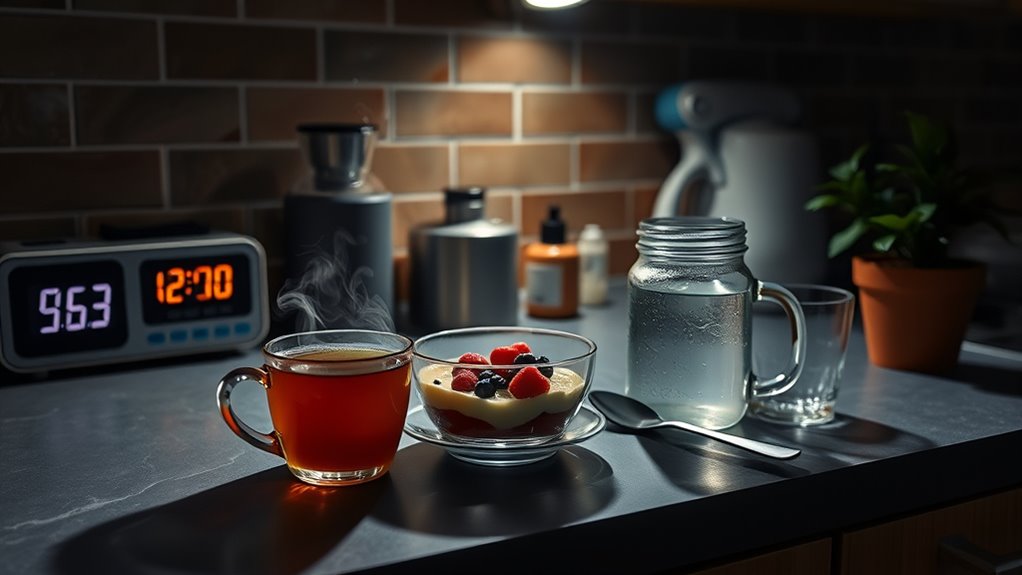
Good nighttime habits can noticeably improve gut function. You focus on a structured routine that supports digestion while you sleep, and you approach it with measurable expectations. You’ll notice that small, repeatable actions during the night influence bowel motility, stool consistency, and overall comfort upon waking. The aim is to minimize overnight disturbances to microbiota and intestinal balance, not to chase dramatic shifts. You assess what you eat in the evening, how you time fluids, and how you prepare your environment for rest. You also recognize that your body’s internal clock interacts with digestive processes, so consistency matters more than intensity.
You begin with meal timing, not quantity alone. You allow at least two to three hours between your last substantial intake and bedtime to reduce nocturnal gastric residuals. If you consume snacks, you choose easily digestible options and avoid heavy fats or high-fiber volumes that may delay gastric emptying. You observe whether late meals correlate with awakenings or bloating upon waking. You track patterns over several days to distinguish cause from coincidence, documenting any changes in nocturnal gas, heartburn, or abdominal discomfort. You understand that posture matters, too, so you adopt a gentle left-side sleeping position when feasible, which can influence gas transit and comfort. You monitor for signs of reflux that might disrupt sleep and adjust head elevation accordingly, while remaining mindful of how position interacts with breathing and sleep quality. You acknowledge that hydration plays a precise role; you drink small, evenly spaced sips rather than large boluses close to bedtime, which can affect stool consistency and overnight hydration status.
You incorporate lifestyle elements that support gut function without creating new discomfort. You establish a predictable bedtime, ensuring adequate total sleep duration, since sleep debt can worsen gut sensitivity and bloating. You create a calm pre-sleep environment to reduce sympathetic activation that can alter motility. You limit alcohol and nicotine, recognizing their potential to disrupt circadian rhythms and microbial balance. You also consider probiotic timing as a targeted action: you may trial a probiotic at a consistent time in the evening if tolerable, documenting any changes in bloating, stool form, or gas. If you experience symptom improvement, you maintain the same product and timing to evaluate sustained effects, and you reassess periodically. You measure outcomes with simple daily notes, focusing on bloating relief, stool consistency, and sleep quality. You avoid unrelated supplements that could confound results unless prescribed. You remain disciplined about meal composition, avoiding abrupt dietary shifts around the night window. You continue to prioritize consistent routines, clear observation, and precise adjustments to maximize gut comfort during rest.
Common Questions
Can Late Meals Affect Gut Bacteria Overnight?
Yes—late meals can influence gut bacteria overnight. When you eat late, nocturnal digestion shifts your gut microbial balance, potentially favoring slower fermentation and altered metabolite production by dawn. You might feel unsettled, but the bigger effect is on microbial diversity and activity as your body readies for rest. If this repeats often, you could see persistent shifts in gut bacteria overnight, impacting digestion, inflammation, and overall gut health.
Do Nighttime Supplements Improve Digestion While Sleeping?
Nighttime supplementation can modestly influence digestion during sleep, but effects vary by supplement type and your gut health. Some products may support stomach comfort or motility, while others have limited impact if taken too late or with meals. In practice, you’ll want to time intake appropriately and choose evidence-backed ingredients. Always assess tolerance and consult a clinician if you have underlying conditions. Prioritize consistency, hydration, and a balanced evening routine to optimize digestion during sleep.
Is Intermittent Fasting Compatible With a Nighttime Routine?
Intermittent fasting can be compatible with a nighttime routine, depending on your schedule and goals. You may align eating windows to earlier evenings if you train or work late, preserving sleep quality. For nighttime routine compatibility, ensure you maintain steady sleep times, avoid late feeds that disrupt digestion, and monitor morning energy. If you experience nocturnal awakenings or reflux, adjust the fasting window or pause it temporarily. Track symptoms to optimize both gut comfort and overall health.
Do Stress Bedtime Routines Impact Gut Health?
Yes, stress bedtime routines can impact gut health. When you’re stressed, your body releases cortisol, which can alter gut motility and microbiome balance, potentially triggering discomfort. A structured bedtime routine helps lower arousal, improves sleep quality, and supports gut recovery. Incorporate consistent sleep times, calming activities, and reduced screen exposure. Consider mindfulness or warm light therapy as part of your stress impact mitigation. If symptoms persist, consult a clinician for personalized guidance.
Can Hydration at Night Cause Bloating or Discomfort?
Yes, hydration at night can cause nocturnal discomfort for some people. Think of your gut as a clockwork village; if you pour water at odd hours, you momentarily flood the roads, raising nighttime bloating. Hydration timing matters: sip small amounts earlier in the evening to reduce nighttime bloating, and avoid large volumes close to sleep. If symptoms persist, adjust timing or consult a clinician for personalized guidance.