
Like a quiet hinge swing, your post-meal walk quietly shifts the room of your metabolism. You’ll find that brisk, sustainable 3,000–4,000 steps within 15–60 minutes after eating can boost skeletal-muscle glucose uptake independent of insulin, sharpening overall insulin action and damping postprandial spikes. Over weeks, fasting glucose steadies and late-day rescue needs decline, forming a repeatable habit with meaningful impact. The question is: how might you tailor this to your routine to sustain the benefit?
Key Points
- Post-meal walking stimulates skeletal muscle glucose uptake independent of insulin, improving overall insulin action in the postprandial window.
- Light-to-moderate ambulation after meals reduces glucose peaks and supports safer metabolic conditions.
- A brisk, sustainable pace of about 3,000–4,000 steps per session initiated within 15–60 minutes after eating yields cumulative glycemic benefits.
- Regular post-meal walks improve insulin timing, shorten hyperglycemia duration, and reduce later-day insulin needs.
- Start gradually, wear proper footwear, and maintain a pace you can sustain while gradually enhancing glycemic control over weeks.
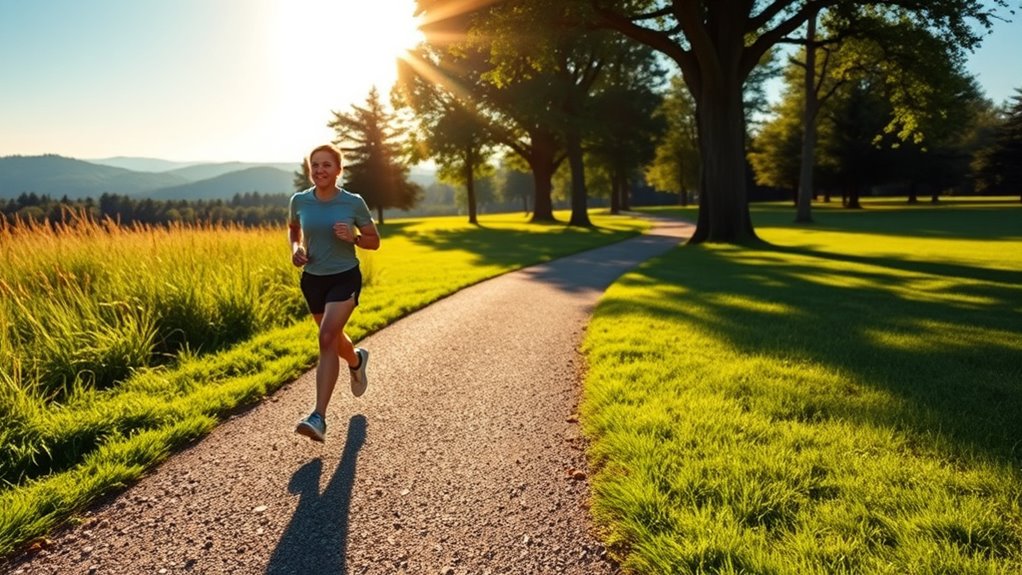
A simple daily habit transformed my insulin response: taking a brisk walk after meals. You’ll find that this routine isn’t merely a pleasant pause; it’s a targeted intervention with measurable effects on postprandial glucose control. The mechanism hinges on how brisk movement stimulates skeletal muscle glucose uptake independent of insulin, thereby enhancing overall insulin action during the post-meal window. By design, you’ll create a safer metabolic milieu after eating, reducing peaks in glucose and moderating the demand on pancreatic beta cells. In practical terms, walking after meals shortens the duration of hyperglycemia, which clinically translates to improved insulin timing and more stable circulating glucose.
Evidence supports that light- to moderate-intensity ambulation, performed after meals, augments glucose clearance from the bloodstream. You’ll notice that walking benefits extend beyond caloric expenditure; they include enhanced endothelial function, modest reductions in postprandial triglycerides, and a favorable shift in inflammatory markers over time. When you time activity to coincide with the postprandial period, you align energy demand with your body’s natural metabolic processes, promoting efficient glucose disposal and reducing the need for compensatory insulin release later in the day. The intervention is simple to implement, with minimal risk and a high potential for adherence, given its feasibility within most work and home routines.
Post-meal walking boosts glucose clearance, endothelial health, and long-term glycemic control.
From a clinical perspective, consider the timing: initiating movement within 15 to 60 minutes after finishing a meal yields the most consistent improvements in insulin timing and postprandial glucose excursions. You may not notice dramatic changes after a single session, but repeated post-meal walks produce a cumulative effect, improving the lag between glucose rise and its clearance. Over weeks, this pattern supports better glycemic variability and can lower fasting glucose values as insulin sensitivity adapts. The pacing matters: a brisk but sustainable pace that targets roughly 3,000 to 4,000 steps per walking session provides the most reliable signal to muscle glucose transport pathways without provoking undue fatigue.
In implementing this habit, you’ll keep safety in mind: start gradually if you’re unaccustomed to regular activity, wear appropriate footwear, and monitor intensity with a comfortable pace that allows talking without gasping. Documenting your postprandial readings can help you assess the impact on insulin timing and correlate them with walking duration and speed. Over time, you’ll establish a consistent pattern that reinforces metabolic resilience. The clinical takeaway is straightforward: a simple post-meal walk can meaningfully improve insulin action, supporting better long-term glycemic control through repeatable, evidence-based behavior.
Common Questions
Can Walking Alone Reduce Insulin Resistance Without Diet Changes?
Yes, walking alone can modestly reduce insulin resistance, but results vary and diet still matters. Regular brisk walking improves insulin sensitivity by enhancing glucose uptake and mitochondrial function, though larger, sustained changes typically require dietary adjustments. You may see benefits with about 150 minutes per week. Be aware that diet myths and glucose peaks influence outcomes; removing them entirely isn’t feasible, yet movement supports metabolic health when paired with mindful eating.
What Walking Duration Is Most Effective for Insulin Improvement?
The most effective walking duration for insulin improvement is about 30 to 60 minutes per session, most days. You’ll see better insulin sensitivity when you accumulate roughly 150 minutes weekly, with moderate intensity. Short bouts totaling this amount can work, as long as you maintain consistency. You should monitor your response, but evidence suggests longer, regular walks yield greater improvements than sporadic, brief activity. Prioritize gradual progression and insulin improvement without overexertion.
Do Fasted Walks Impact Insulin Sensitivity Differently?
Fasted walks can produce a nuanced change in insulin sensitivity, but effects vary by duration, intensity, and individual factors. You may see modest improvements when exercising in a fasted state, yet the evidence is not uniform. You should consider how your body responds, monitor glucose curves, and avoid excessive fatigue. In practice, fasted walks might help some people adapt glucose handling, while others gain little benefit. Tailor pacing and timing to maximize insulin sensitivity without compromising safety.
Is Morning or Evening Walking Better for Insulin Response?
Morning vs evening walking, in terms of insulin response, shows modest, context-dependent differences. You’ll often see improved insulin sensitivity with morning walks, possibly due to diurnal rhythms and better lipid-glucose handling after overnight fasting; however, evening sessions can still enhance insulin response, especially when aligned with your personal schedule and sleep patterns. For most people, consistency and duration matter more than exact timing. Prioritize a sustainable routine to optimize your insulin response over time.
How Soon Will I Notice Insulin Changes From Walking?
You’ll notice insulin timing changes within days to a few weeks of consistent walking. Short, brisk walk intervals, most days, improve glucose uptake and insulin sensitivity rapidly, with more pronounced effects after 2–4 weeks. Expect gradual improvements rather than instant shifts. Keep activity regular, monitor your response, and adjust intensity as needed. This pattern aligns with evidence showing cumulative benefits for metabolic control, though individual timelines vary.