
In a quiet pantry of routines, you map your gut health like a reliable recipe. You track meal timing, portions, and comfort, then adjust with gentle fiber and steady hydration. Probiotics and fermented foods stay optional pilots, watched for effects. You tie in sleep, stress, and mindful meals, reviewing weekly to refine. If you’re curious how this steady framework adapts to you, there’s a simple path you can start today.
Key Points
- Start by tracking digestion patterns: meal timing, portions, and which foods trigger or soothe symptoms.
- Build fiber gradually with a focus on soluble sources to improve tolerance.
- Use modest daily hydration to support stool consistency and complement fiber changes.
- Treat probiotics and fermented foods as optional pilots, pausing if symptoms worsen.
- Tie gut health to lifestyle: stress, sleep, meals, and weekly review for adjustments.
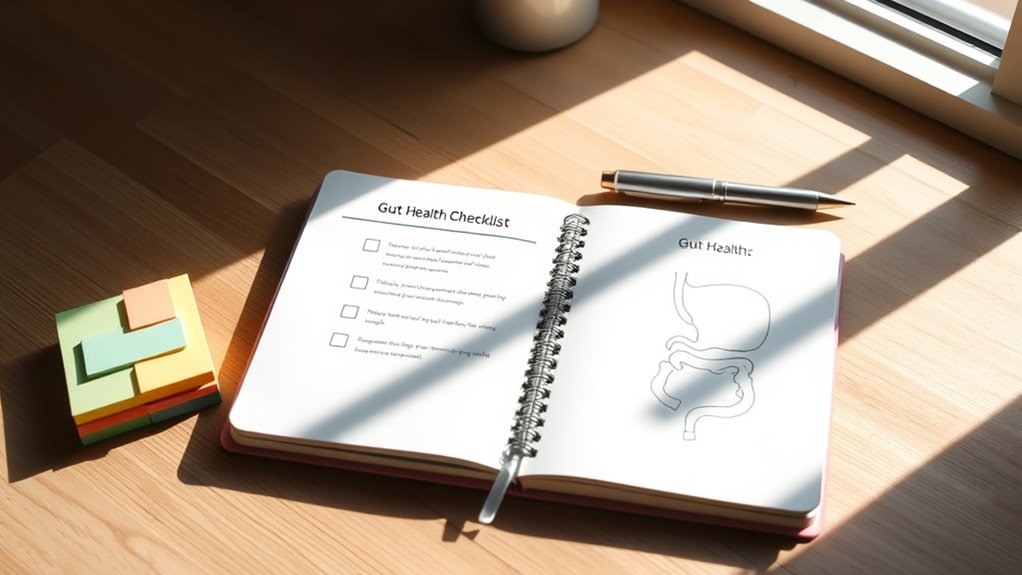
Gut health often feels mysterious, but a simple checklist can make it manageable and effective. You’ll want a practical approach you can maintain, not a dozen rigid rules. Start by recognizing your own digestion patterns. You’ll notice trends in how you feel after meals, which foods seem to trigger discomfort, and which meals leave you pleasantly steady. Track timing, portion size, and the rhythm of your days. That awareness helps you tailor changes rather than chase a one-size-fits-all solution.
Gut health starts with noticing your digestion patterns and daily rhythm, then tailoring gradual, sustainable changes.
Next, you’ll outline your fiber intake. Your goal isn’t a strict target but a steady, sustainable increase that your gut can adapt to. You may find certain fibers, like soluble varieties in oats, legumes, and certain fruits, gentler on your system, while others, such as some insoluble fibers, require a slower ramp. You’ll monitor how different fibers influence stool form, frequency, and comfort, then adjust gradually to avoid bloating or cramps. A small, consistent uptick beats dramatic shifts that derail your progress.
Hydration is a simple, powerful lever. Water supports fiber’s effects and helps regulate transit. You’ll aim for steady intake throughout the day rather than large amounts at once. If you notice constipation, consider a modest increase in fluids alongside fiber. If gas or bloating appears, you may need to pace fiber increases more slowly or mix more soluble fibers into your day.
Probiotics and fermented foods enter your plan as optional pilots rather than mandatory steps. You’ll evaluate how they affect your symptoms and energy, recognizing that responses vary. If you tolerate yogurt, kefir, sauerkraut, or kimchi, you can incorporate them gradually. If dairy or other fermented foods trigger symptoms, you’ll pause and reassess, prioritizing your comfort and evidence-based guidance.
Stress and sleep are not afterthoughts; they’re functional factors. You’ll note how stress levels correlate with digestion patterns, mood, and appetite. You’ll implement short, actionable strategies—deep breathing, brief movement, and consistent sleep windows—that support gut function without adding complexity. You’ll focus on the quality of your rest and the predictability of your routines, because consistency matters more than intensity.
Meal planning and mindful eating make the checklist practical. You’ll prepare balanced plates with protein, healthy fats, and a variety of vegetables, then eat in a relaxed environment. You’ll avoid rushing meals, which can disrupt digestion patterns, and you’ll listen to hunger and fullness cues to prevent overeating. When you’re uncertain, you’ll default to whole foods, minimal processing, and simple ingredients.
Finally, you’ll review and revise weekly. You’ll compare how you feel on different days, note any associations with food, stress, or sleep, and adjust your fiber intake or meal timing accordingly. You’ll keep this process lean, grounded in observation, and oriented toward sustainable gains in gut health.
Common Questions
How Soon Will I See Gut Health Improvements?
Around 4–8 weeks is common for noticeable gut health changes, with some people sensing improvements sooner. In that timeframe, you should track symptoms consistently and expect gradual shifts rather than instant fixes. A helpful stat: most people report meaningful relief after 6 weeks of consistent dietary adjustments. Keep symptom tracking daily, note triggers, and adjust as needed. You’ll gain clearer insights by monitoring patterns over time, rather than chasing quick wins.
Can I Use the Checklist Daily Long-Term?
Yes, you can use the checklist daily long-term, but adjust as needed. For daily routine, track habits and progress without overloading yourself. Focus on consistency, not perfection. Long term sustainability comes from manageable steps, not rigid rules. Monitor gut-friendly behaviors, but allow flexible tweaks based on sleep, stress, and diet changes. If you notice diminishing returns, scale back or rotate items. Prioritize evidence-backed actions and avoid side-effect driven extremes.
Does the Checklist Apply to Kids or Teens?
Yes, the checklist can apply to kids and teens, with some adaptations. For kids, simplify items, monitor growth, and consult a pediatrician if you notice persistent symptoms. For teens, address independence and privacy while tracking changes. Focus on balanced diet, hydration, sleep, and stress management. Always prioritize evidence-based guidance. Remember, kids health and teen safety matter; seek professional input if concerns arise, and tailor the checklist to age-appropriate expectations.
Are There Any Foods to Avoid With IBS?
Yes. You’ll want to avoid certain foods to prevent IBS triggers. Common culprits include fatty meals, gluten, dairy for some, and highly spiced or gas-producing items. Your gut acts like a map where foods to avoid light up warning signs. Pay attention to personal triggers with an elimination approach and reintroduce slowly. Track symptoms, stay evidence-based, and consult a clinician for tailored guidance. You’ll feel more in control when you identify your IBS triggers.
Should I Consult a Doctor Before Starting?
Yes, you should consult a doctor before starting. Early, professional guidance helps tailor timing, rule out other conditions, and prevent delays. For IBS-style concerns, a clinician can assess red flags and plan a safe approach. Consider the consultation timing and outline goals, symptoms, and medications. Rely on evidence-based steps rather than self-diagnosis. If symptoms worsen or new alarm signs appear, seek urgent care. Acknowledging limits protects your gut health journey.