
Your gut-happy meal pattern centers on a balanced plate—lean protein, fiber-rich carbs, healthy fats, and a rainbow of vegetables—plus mindful portions and a brief pause before finishing. You vary foods daily to feed your microbiome—whole grains, legumes, fruits, vegetables, and modest fermented items—without chasing a single “superfood.” Fiber climbs gradually, fluids stay steady, and meals pace to prevent bloating. Stay hydrated, stay active, and keep sleep steady; the next choice might just change your day.
Key Points
- Build each plate with protein, fiber, healthy fats, and complex carbs for steady energy and fullness.
- Favor diverse, whole foods daily—vegetables, legumes, fruits, whole grains, and modest fermented foods.
- Increase fiber gradually with soluble (oats, legumes, apples) and insoluble (whole grains, vegetables) sources.
- Structure meals to pair protein with fiber-rich carbs and fats, practicing mindful pauses before finishing.
- Support the pattern with hydration, sleep, daily activity, and modest caffeine/alcohol use, returning to basics after setbacks.
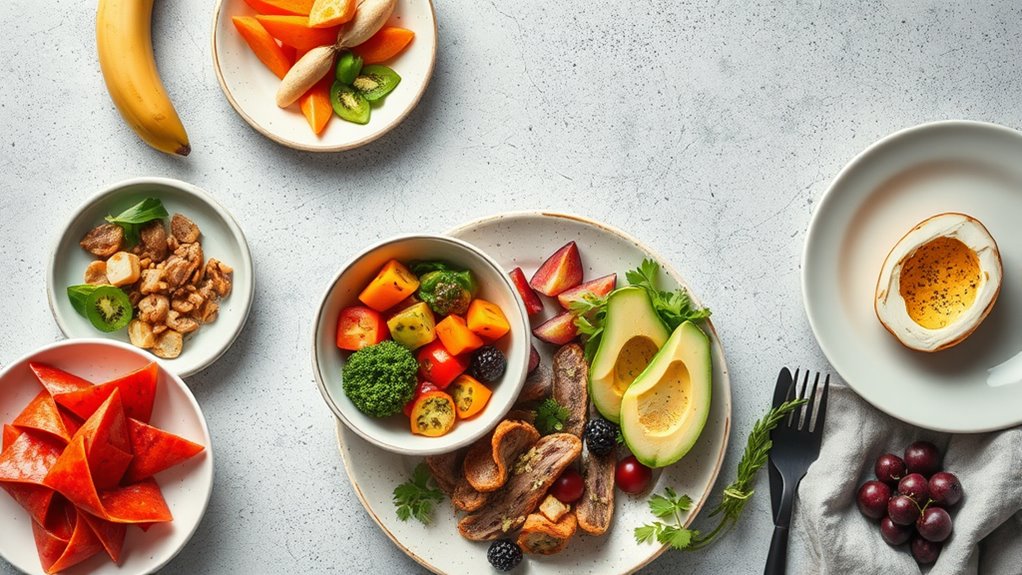
If you’re aiming for a gut-friendly routine, this is the pattern I actually stick to: simple, evidence-informed habits that support digestion, energy, and overall well-being. You’ll notice that the approach centers on consistent meals, mindful eating, and practical steps you can actually maintain. The backbone is clarity: you don’t need extremes or fad tricks, just steady routines you can replicate day after day. You start by prioritizing a balanced plate that includes protein, fiber, healthy fats, and complex carbohydrates. This balance helps you feel full longer, supports steady energy, and minimizes post-meal discomfort. The aim isn’t perfection, but consistency that compounds over weeks and months.
A key component is the gut microbiome, which thrives on diverse, whole foods. You’ll find that variety in vegetables, legumes, whole grains, fruits, and modest amounts of fermented foods. Each meal should offer a spectrum of nutrients rather than relying on a single superstar ingredient. When you diversify your intake, you’re nudging your gut community toward greater resilience and metabolic stability. This isn’t about chasing a single “gut-boosting” item; it’s about creating a daily pattern that fosters a robust microbial ecosystem.
Fiber benefits are central to the plan, but you don’t have to overhaul your life to reap them. You’ll gradually increase fiber from both soluble and insoluble sources. Soluble fiber, found in oats, legumes, apples, and psyllium, helps soft, manageable stools and a gradual blood-sugar response. Insoluble fiber, from whole grains, vegetables, and seeds, adds bulk that supports regularity. You’ll aim for consistency rather than dramatic jumps, listening to your body and adjusting as needed. With enough fluids and a steady pace, fiber tends to improve digestion without triggering bloating for most people.
Balanced meals are the core habit, not a rigid rulebook. You’ll pair protein with fiber-rich carbs and healthy fats to slow digestion, stabilize energy, and reduce cravings. A typical plate becomes colorful: leafy greens, colorful vegetables, a palm-sized portion of lean protein, a fist of whole grains or starchy veg, and a drizzle of olive oil or a handful of nuts. You avoid oversized portions that can overwhelm digestion and cause discomfort. Instead, you practice portion awareness and mindful pauses before finishing your plate.
Hydration, sleep, and regular activity round out the routine. You’re aware that gut health operates in concert with overall physiology, so you keep caffeine and alcohol modest, move daily, and wind down to support restorative sleep. When you encounter setbacks, you return to the basics: repeat balanced meals, respect fiber benefits, and nurture the gut microbiome through steady, sustainable choices. This approach isn’t glamorous, but it’s reliable, evidence-informed, and adaptable to real life.
Common Questions
How Soon Will I See Digestive Changes After Starting This Pattern?
How soon you’ll notice digestive changes varies, but some people feel improvements within days and others after a few weeks. You might observe less bloating, steadier stool, and reduced gas as gut-friendly foods take effect. Potential mood and energy impact can accompany these changes, since gut health links to brain function. Stay consistent, track symptoms, and give your system time. If issues persist, consult a clinician to rule out other causes.
Can I Adapt Meals for Dietary Restrictions?
Yes, you can adapt meals for dietary restrictions. When planning, prioritize adaptations for restrictions and allergy friendly swaps that preserve fiber and gut-friendly nutrients. Choose protein, whole grains, and colorful veggies, substituting ingredients safely. If you have allergies, read labels, and consider cross-contact risks. Keep portions consistent and monitor symptoms to guide adjustments. Start with small trial changes, and document what works. This evidence-based approach helps you maintain gut health while honoring restrictions.
Is There a Sample Weekly Plan I Can Follow?
Yes, you can follow a sample weekly plan. A clear digestive changes timeline helps you pace changes and track effects. Start with gradual fiber tweaks, hydration, and balanced portions. Include protein at each meal, vegetables, whole grains, and healthy fats. Swap in gut-friendly options as symptoms shift. Monitor trends over 1–2 weeks, then adjust. Keep a simple log of meals, symptoms, and energy levels to refine the plan confidently.
What Common Foods Should I Avoid With This Pattern?
You should avoidProcessed Foods and limitCaffeinated Beverages. Think of your gut as a small town: if you invite junk invaders, the market stalls suffer. Steer clear of highly processed snacks, sugary desserts, fried items, and ultra-processed meats. Limit caffeine from coffee and energy drinks, and avoid large, heavy meals late at night. Instead, opt for whole foods, fiber-rich fruits and vegetables, lean proteins, and water to keep harmony and evidence-based balance in your system.
How Does This Pattern Impact Mood and Energy?
Your mood and energy improve when you prioritize steady glucose, balanced meals, and gut-friendly nutrients; you’re more likely to feel stable, focused, and resilient throughout the day. The mood impact comes from consistent protein, fiber, and micronutrients supporting neurotransmitter production. An energy boost follows from regular meals and gut-sparing choices that reduce crashes. Stay hydrated, limit highly processed foods, and monitor how fiber, fats, and fermented foods influence your mood and energy personally.