
You’ve likely noticed how big meals can leave you feeling bloated or sluggish. By spacing meals into three to four smaller portions, your gut isn’t overwhelmed and your digestion works more like clockwork. You’ll feel steadier energy and fewer cramps as stomach emptying and pancreatic responses stay paced. If this approach sounds reasonable, you might find that appetite cues help guide timing rather than strict schedules, keeping things smoother and more comfortable—with practical tweaks you can try next.
Key Points
- Spacing meals reduces peak digestive pressure, giving the gut time to process each intake without stacking burden.
- Gaps between meals prevent gut flooding, promoting smoother digestion and fewer cramps or post-meal heaviness.
- Appetite cues guide timing, helping avoid overeating and resetting hunger between meals for clearer need signals.
- Steadier nutrient flow and enzyme/pancreatic fluid release improve absorption and stabilize energy and blood sugar.
- A simple rhythm of three to four evenly spaced meals or snacks, tracked for comfort and digestion over a few weeks, supports sustainable improvement.
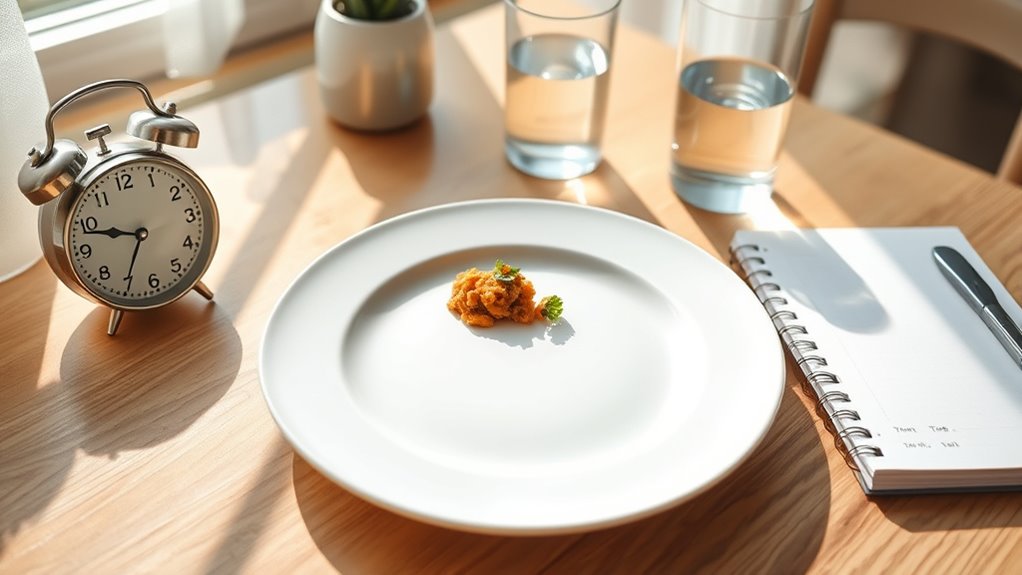
If you’ve ever wondered why meals feel heavy or bloated, spacing them out can make a surprising difference. When you shift from “three big meals” to a gentler rhythm, you give your gut time to handle each intake without stacking burden. This isn’t just a feeling; it’s about your physiology adapting to smaller, steady loads. Meal timing matters because your stomach empties at its own pace, your gut signals you when to stop, and your pancreas releases enzymes in measured bursts. By spacing meals, you reduce peak digestive pressure and give your gut a window to process what you’ve eaten before you add more. You’re not chasing perfection—you’re aligning with how your body naturally digests.
Spacing meals eases digestion, aligning with your body’s natural rhythm.
You’ll notice better gut comfort as you space meals. Large, consecutive meals often stretch the stomach and can trigger reflux, gas, or discomfort as your intestines work harder to mix and move contents. A more relaxed tempo means less distension, fewer cramps, and fewer episodes of post-meal heaviness. When you pause between meals, your gut isn’t flooded all at once, so digestion can proceed more smoothly. The result is less bloating and a gentler experience after you eat, especially if your previous pattern left you feeling uncomfortably full or weighted down.
Appetite cues become a helpful guide when you adjust meal timing. Rather than eating on a rigid clock, you can tune into real hunger signals—subtle growls, mild energy dips, or a sense of lightness after a light snack. Responding to those cues prevents you from overeating, which often leads to slower digestion and more sluggish nutrient absorption. By waiting for a moderate appetite, you allow your stomach and small intestine to reset between meals, so the next intake starts with a clearer signal of need rather than habit. Over time, you may find you naturally eat closer to your body’s actual energy needs, reducing fatigue after meals.
Nutrient absorption benefits from a steadier flow. When meals are spaced, your digestive system processes nutrients in manageable batches rather than competing with a heavy load. Enzymes, bile, and pancreatic fluids can work efficiently without being overwhelmed, supporting better breakdown of proteins, fats, and carbohydrates. This doesn’t mean you skip nutrients; it means you optimize how they’re presented to your absorptive surfaces. You may notice steadier energy, less post-meal sleepiness, and more consistent blood sugar responses as absorption stabilizes.
If you’ve spent years chasing dramatic changes with extreme eating schedules, try a simpler pattern: three to four evenly spaced meals or snacks, aligned with your hunger cues. Track how you feel—digestion, energy, and comfort—over a couple of weeks. The aim isn’t perfection but a sustainable rhythm that improves meal timing, gut comfort, nutrient absorption, and your awareness of appetite cues.
Common Questions
Does Meal Spacing Affect Energy Levels During Workouts?
Yes, spacing meals can influence your workout energy dynamics. When you time meals well, you avoid energy crashes and keep glycogen steady, so you feel steadier during runs or lifts. That’s meal timing efficiency at work. You’ll likely notice improved focus, less fatigue, and more consistent power output. It’s simple: eat enough, but not too close to workouts, and choose balanced carbs, protein, and fats. Your performance responds to smart timing, not luck.
Can I Still Eat Snacks Between Meals With Spacing?
Yes, you can still eat snacks between meals with spacing, but watch timing. Snack timing matters for digestion and energy, so place healthy snacks inside your eating windows and avoid late, heavy options. If you’re using fasting windows, keep snacks within those periods or opt light, protein-rich bites. Track how you feel and adjust. Evidence supports that structured meal spacing can improve comfort, but flexibility exists if you prioritize nutrient quality and consistency.
How Long Before Noticing Digestion Benefits From Spacing?
You’ll typically notice digestion benefits within a few days to a few weeks after you start spacing meals. You might feel less bloating, steadier energy, and smoother stomach discomfort as your gut has more time to process food. Two word discussion ideas, comma separated: timing, patience, digestion, spacing, results, pace, follow-up. Keep meals consistent, hydrate, and monitor symptoms. If issues persist after two to four weeks, consider consulting a clinician for personalized guidance.
Are There Risks if I Skip Meals to Space Them?
Skipping meals to space them can carry risks, especially if you have diabetes, eating disorders, or medications that require regular dosing. You might feel dizziness, headaches, or low energy. Prolonged fasting can disrupt blood sugar and digestion. You should not skip meals regularly. Consider moderate spacing instead. Evidence shows meal timing impacts digestion and metabolism, but abrupt gaps increase risk of fasting-related effects. If unsure, consult a clinician to tailor a safe plan.
Does Meal Spacing Influence Gut Bacteria or Probiotics?
Meal timing microbiome can shift with spacing, and yes, it can influence probiotic shifts. When you space meals, you alter feeding windows for gut microbes, potentially favoring bacteria that thrive on steady nutrients and fiber, while limiting overgrowth of opportunists. Evidence suggests consistent timing supports diversity; irregular gaps may disrupt it. Focus on balanced meals, fiber, and fermented foods to support probiotic shifts, rather than extreme fasting. Monitor digestion changes and consult a clinician if issues arise.