
Eating enough at lunch helps steady your energy and stave off a mid‑afternoon crash, so you’re less likely to crave late‑day snacks. When you get adequate protein, fiber, and healthy fats, you stay fuller longer and mood stays steadier, making dinner choices easier. This balance also keeps blood sugar more stable, reducing surprise cravings. If your lunch fits these goals, you may find your evenings feel less reactive—and the next step becomes clearer.
Key Points
- A balanced lunch with protein, fiber, and healthy fats promotes satiety and reduces late-day hunger that leads to cravings.
- Sufficient midday energy helps avoid post-lunch slumps that trigger impulsive, high-sugar dinner choices.
- Proper portions prevent heavy, sleep-inducing meals that derail evening appetite and restraint.
- Steady energy from a well-rounded lunch supports mindful dinner decisions and portion control.
- Afternoon strategies (short movement, hydration) complement lunch to keep cravings in check later.
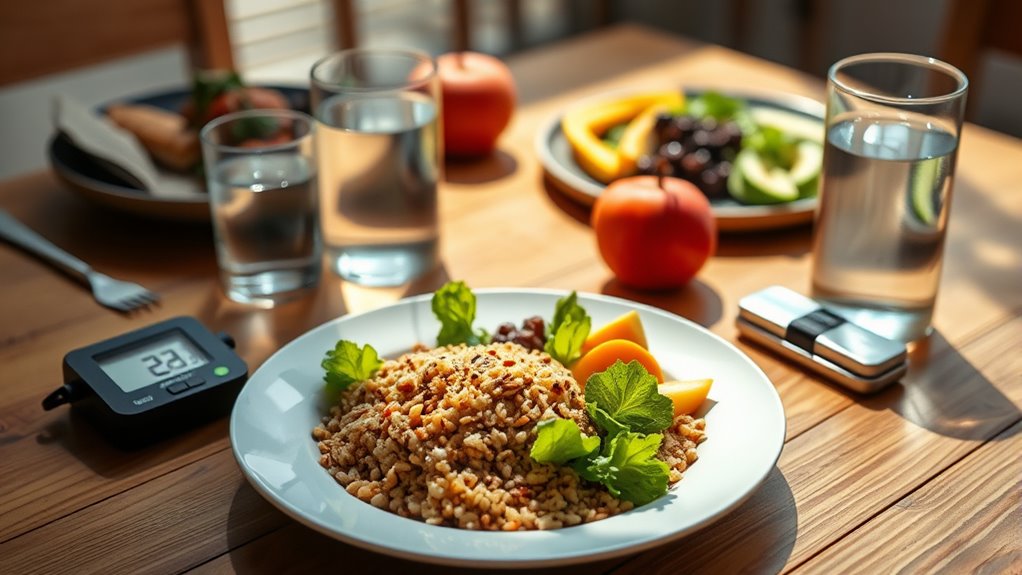
Ever wonder why skipping lunch can leave you scrolling for snacks later? When you eat a balanced lunch, you support stable blood sugar and you’re less prone to urgent cravings come dinnertime. The key is giving your body enough energy to carry you through the afternoon without triggering compensatory overeating. You don’t need perfection, just consistent, evidence-based choices that align with how your appetite works.
First, consider satiety signals. A meal with adequate protein, fiber, and healthy fats tends to activate fullness cues sooner and sustain them longer. If lunch is too small or too carbohydrate-heavy, you may experience a rapid spike and crash in blood sugar, which amplifies hunger and makes dinner feel more urgent. By contrast, a meal that includes lean protein, whole grains, vegetables, and a little healthy fat helps regulate ghrelin and peptide YY, so you’re less likely to reach for high-sugar snacks after work. In practice, aim for a plate that’s roughly half vegetables, a quarter protein, and a quarter starch or whole grain, plus a small amount of fat.
Post meal energy matters, too. You want energy that persists into the evening without a heavy, lethargic slump. That often means dialing in portions that avoid energy spikes and dips. A lunch that leaves you feeling energized—rather than foggy or irritable—supports mindful decisions at dinner. If you routinely crash after lunch, you’re more susceptible to quick, convenient options that don’t align with your goals. A steadier energy trajectory helps you choose protein-rich snacks or a moderate dinner, rather than mindlessly grazing.
Practical strategies you can apply right away: prioritize protein at lunch—think chicken, tofu, beans, or eggs—to boost satiety. Add fiber from vegetables, legumes, or fruit, and include a source of healthy fat like avocado, olive oil, or nuts. Choose whole grains or starchy vegetables to provide enduring energy without big blood sugar swings. Plan portions so lunch is satisfying but not overly large; you want to avoid a heavy, sleep-inducing meal, especially on busy days.
Transcripted hunger cues aren’t perfect, so pair your lunch with a brief activity plan for the afternoon. A 10-minute walk, light resistance work, or a hydration check can modulate appetite and reduce the likelihood of using food as a crutch later. If you notice persistent evening cravings, review your lunch composition and timing. Sometimes a slightly larger midday meal or a mid-afternoon protein snack can steady energy and suppress late-day urges.
Common Questions
How Does Lunch Size Affect Afternoon Energy Levels?
Lunch size can boost or drain your afternoon energy. Bigger, balanced meals give steady glucose, preventing dips that trigger fatigue; smaller, high-sugar options spark crashes. Juxtaposition: you feel fueled vs. foggy, productive vs. sluggish. A moderate lunch with protein, fiber, and fats supports consistent energy. Two word discussion idea, two word discussion idea. You’ll notice steadier focus and fewer cravings when you snack wisely after lunch. Practical tip: plan portions, not extremes, for sustainable energy.
Can a Light Lunch Curb Late-Night Snacks?
A light lunch can help curb late night cravings by stabilizing your energy without overloading appetite hormones. If you’re hungry at night, you may actually snack more, so balance matters. Focus on protein, fiber, and healthy fats to sustain fullness into evening. Pair a light lunch with small, nutrient-dense snacks later if needed. Evidence suggests steady blood sugar supports fewer late night cravings, so plan meals and portions thoughtfully.
Does Protein at Lunch Influence Dinner Appetite?
A molecule of truth sits on your plate like a bridge: yes, protein at lunch influences dinner appetite. When you hit protein balance, appetite signaling improves, reducing swings that trigger extra snacks. You’ll feel fuller longer, and your next meal can be more controlled. Practical tip: aim for steady protein across meals, include fiber and healthy fats, and monitor portions. This helps your body regulate hunger cues and supports consistent energy through dinner.
Do Hydration Levels Impact Dinner Cravings After Lunch?
Hydration impact does influence dinner cravings after lunch. When you’re under-hydrated, thirst signaling can masquerade as hunger, nudging you toward extra calories later. It helps to sip water regularly and assess whether you’re actually hungry or just thirsty. A practical approach is drinking a glass before meals and tracking fluid intake. If cravings persist despite adequate hydration, consider protein or fiber-rich snacks to stabilize appetite. Stay mindful, hydrate consistently, and use thirst cues to guide eating.
Should I Adjust Lunch if I Have Late Workouts?
Yes, you should adjust lunch if you have late workouts. Plan a balanced meal with adequate protein, healthy fats, and complex carbs, and time it so you don’t spike energy during workouts or crash afterward. If your session runs late, consider a light pre-workout snack and a larger post-workout meal. Late workouts may warrant added calories, but focus on protein and carbs to support recovery and curb late-dinner cravings.