
When you pair carbs with protein, you slow digestion and curb hunger signals, helping stabilize energy and blood sugar so you don’t crash midafternoon. You’ll feel fuller longer as protein nudges satiety hormones and carbs add fiber for steady release. This combo keeps cravings at bay and supports sustainable energy. If you’ve noticed quick spikes after meals, this approach could change how you feel after eating—and there’s more to fine‑tune to fit your routine.
Key Points
- Pairing carbs with protein slows glucose rise, smoothing energy and reducing later hunger cues.
- Protein boosts satiety hormones and slows gastric emptying, helping you feel fuller longer.
- Fiber from complex carbs teamed with protein blunts rapid digestion and energy slumps.
- Practical pairings: eggs with whole-grain bread, yogurt with fruit, beans with brown rice.
- Plan meals as one carb source + one protein source, plus fiber and healthy fats for steady hunger control.
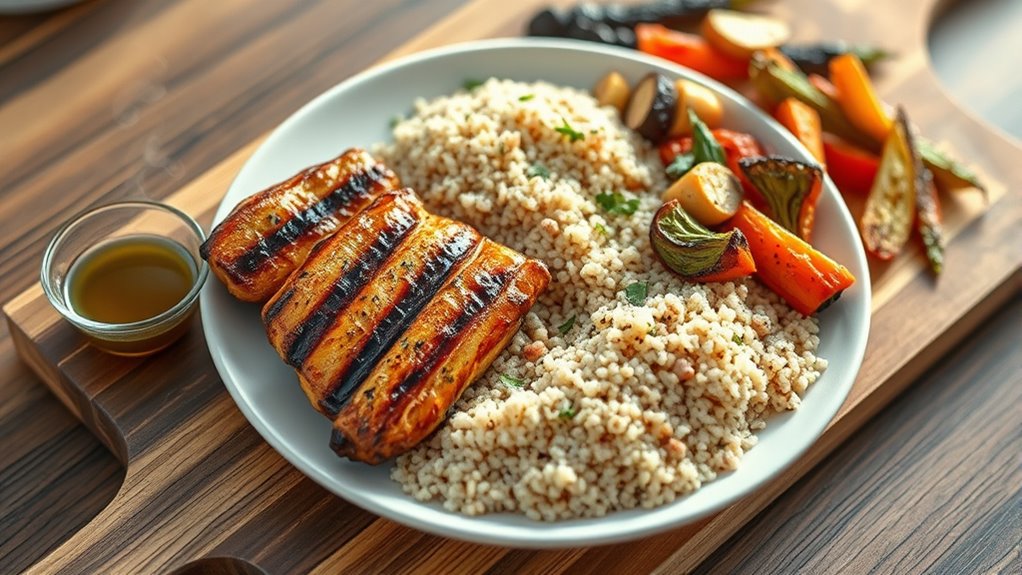
Pairing carbs with protein can help tame hunger by triggering a steadier release of energy. When you pair these nutrients, you create a more balanced post-meal blood sugar response, which can reduce spikes and the subsequent crash that drives snacking. You’ll feel fuller for longer not because you ate more, but because your body is getting a steadier supply of fuel. This approach aligns with appetite regulation principles that emphasize consistent energy availability over time rather than short-lived highs. Think of it as supporting your body’s natural signals rather than fighting them with sheer volume or sheer restriction.
Pairing carbs with protein smooths energy, curbing spikes and late hunger.
You might notice that a bowl of sugary cereal or a pastry can spark hunger again within an hour, whereas a meal that includes both carbohydrate and protein tends to quiet that next- hunger cue. The science behind this is straightforward: protein contributes to satiety hormones and slows gastric emptying, while complex carbohydrates provide fiber and slow digestion. Together, they blunt rapid glucose fluctuations and help you avoid the mid-afternoon energy slump. The effect isn’t about perfection; it’s about practical, sustainable patterns you can fit into a busy day. Pairing foods in the right way makes sense for daily life and long-term goals.
To put this into practice, consider standard pairings you already enjoy. Pair whole-grain bread with eggs, yogurt with fruit, beans with brown rice, or nuts with fruit. You don’t need special foods to apply the concept; you just balance your plate with both carbohydrate-rich and protein-rich elements. If you’re vegetarian or vegan, combine legumes or tofu with quinoa or oats, and add a sprinkle of seeds for healthy fats. If you prefer lighter meals, mix cottage cheese with fruit, or a smoothie that blends milk, oats, and a scoop of protein powder. The key is to think in terms of a duo: one source of carbohydrate, one of protein, ideally with some fiber and healthy fats, too.
In terms of appetite regulation, timing matters. A steady intake of protein across meals helps maintain lean hunger control. You don’t need to overthink it: aim for a protein portion that’s roughly the size of your palm paired with a fistful of carbohydrate-rich foods. That balance supports satiety without encouraging overeating. Keep beverages in mind as well; water and unsweetened drinks won’t provoke unnecessary hunger signals. Overall, you’re building a sustainable habit that reduces the likelihood of overeating by honoring your body’s need for stable energy. Pairing carbs with protein is a practical, evidence-informed strategy you can use daily to balance hunger and support consistent energy.
Common Questions
Do Carbs With Protein Cause Weight Gain or Loss?
Carbs with protein don’t inherently cause weight gain or loss; it’s total calories and timing that matter. You’ll often benefit from carb-protein synergy, which can curb hunger hormones and steady energy, helping you eat less later. If you overeat, weight can rise; if you’re in a deficit, you can lose weight. Focus on balanced portions, lean proteins, and fiber-rich carbs to support satiety and daily energy balance.
How Soon After a Meal Should I Feel Fuller?
You’ll typically feel fullness within 20 to 60 minutes after a meal, depending on portion size, macronutrients, and fiber. In meals with balanced carbs and protein, fullness may peak sooner and last longer because protein and fiber slow digestion. How soon you notice it can also hinge on your body’s signals and activity level. Track your response over a few meals to gauge what timing works best for you.
Can This Pairing Affect Blood Sugar for Diabetics?
The carb protein interaction can help moderate your diabetic blood sugar by slowing digestion and smoothing glucose rise. Yes, this pairing can reduce post-meal spikes when you balance portions and choose high-fiber carbs with lean protein. You’ll feel steadier energy after meals and less hunger soon after. If you’re insulin-dependent, monitor your levels and adjust with your clinician. Keep portions right, stay consistent, and favor whole foods over refined options for best outcomes.
Are All Carbs and Proteins Equally Effective Together?
Yes, not all carbs and proteins are equally effective together. You’ll get the best hunger satisfaction when you pair high-fiber, minimally processed carbs with lean protein, which slows digestion and stabilizes blood sugar. Focus on balanced meals rather than quick fixes. The carbs protein pairing should emphasize whole grains, beans, vegetables, and lean meats or dairy. This approach supports steady energy, clearer appetite signals, and evidence-based benefits for hunger management.
How Does Fiber Influence Hunger When Paired With Protein?
Fiber can gently curb appetite by improving fullness signals when paired with protein, helping you feel satisfied longer. You’ll notice slower digestion and steadier energy, which supports better appetite signaling. Fiber’s impact isn’t dramatic alone, but with protein it can blunt spikes and tilt hunger cues toward consistency. Keep portions balanced, choose whole-food sources, and stay hydrated. In short, fiber plus protein supports steadier appetite signaling and more controlled hunger throughout the day.