
You’ll feel steadier if you keep meals balanced with protein, fiber, and healthy fats, plus a modest pre-meal snack when energy dips hit. Hydrate regularly and plan snacks between meals to blunt cravings, while sticking to a fixed wake time and wind-down routine. Limit late caffeine and wind your day with predictable routines so mood and energy don’t swing. It’s a practical rhythm that reduces sugar urges, and you’ll notice subtle but meaningful changes that invite you to try one small tweak tonight.
Key Points
- Structure meals and snacks with protein, fiber, and healthy fats to slow digestion and extend satiety.
- Maintain a consistent wake time, wind-down routine, and sleep environment for steadier cravings.
- Schedule regular, balanced snacks with protein or healthy fat plus fiber to prevent energy dips.
- Hydrate regularly, water with meals and between meals, and check dehydration when cravings arise.
- Build a predictable daily routine with small, actionable steps to stabilize energy and appetite.
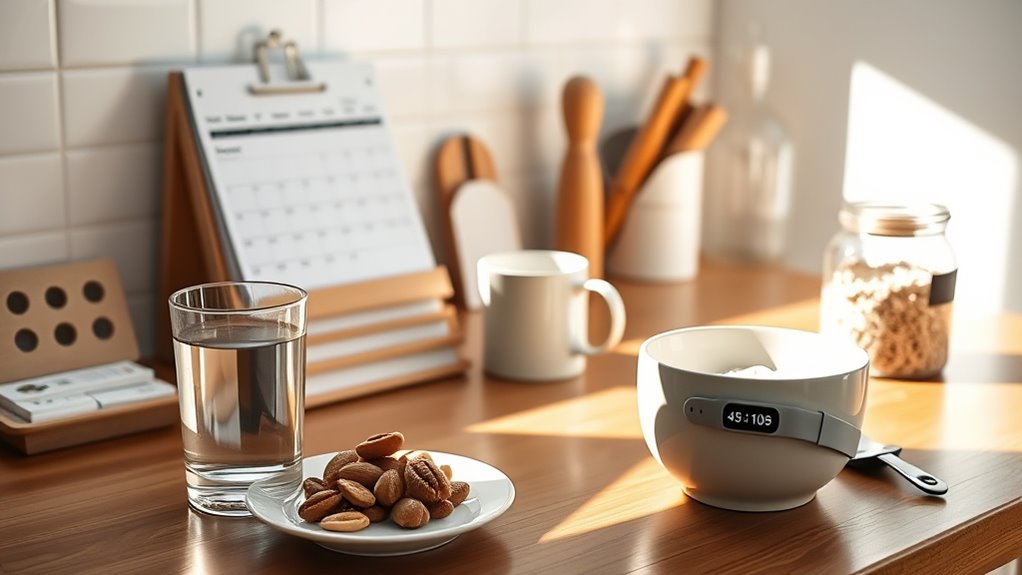
A steady daily routine can prevent sugar crashes by stabilizing blood sugar, reducing cravings, and supporting sustainable energy. You’ll learn how a predictable rhythm helps you avoid spikes and drops, keeping your mood steady and your decisions more deliberate. In this approach, small, consistent choices matter more than drastic changes, and you’re guided by evidence that links routine to metabolic balance, appetite control, and improved focus. You’ll start by structuring meals and snacks to minimize large glycemic swings, opting for balanced combinations of protein, fiber, and healthy fats that slow digestion and extend satiety. You’ll avoid long gaps between meals, which often trigger compensatory cravings or energy dips, and you’ll plan for regular opportunities to refuel before you’re truly hungry. This creates a predictable energy pattern you can trust rather than chase.
Sleep quality is a cornerstone of this routine. You recognize that rest affects hunger hormones, cognitive control, and mood, all of which influence your food choices. Prioritize a consistent wake time and a wind-down period that reduces bedtime variability. You’ll aim for a sleep environment that’s dark, cool, and quiet, and you’ll limit caffeine late in the day to protect the depth of your sleep. When sleep quality improves, you’ll notice fewer cravings in the late afternoon and a clearer sense of when you’re truly hungry versus when you’re tired. This isn’t about perfection, but about steady progress that reinforces healthier patterns over time.
Sleep quality anchors steady choices, sharpening hunger signals and cravings awareness.
Snack timing matters, too. You’ll schedule snacks at regular intervals that align with your activity level and meals, preventing energy lows that invite quick fixes. Each snack should include protein or healthy fat, plus a source of fiber, so digestion is steady and appetite cues stay accurate. For example, pair yogurt with berries, or a small handful of nuts with an apple. If you notice drops in energy or focus before meals, you can add a modest pre-meal snack rather than letting hunger escalate into a choice that favors fast carbs. You’ll monitor portions to avoid overconsumption while still sustaining your energy between meals.
Hydration plays a supporting role. Substantial fluid intake helps you feel full and can blunt hunger signals that resemble sugar cravings. You’ll keep a simple routine: a glass of water with meals and another between meals, adjusting for activity and climate. When cravings arise, you’ll first assess whether dehydration or fatigue is driving them, then respond with a balanced snack or a brief movement break. This approach respects your time, reduces guesswork, and emphasizes actionable steps shown to improve metabolic stability and overall well-being.
Common Questions
How Soon Do Sugar Crashes Typically Start After Sugary Meals?
The timing of crashes varies, but you’ll often notice first symptoms within 30 to 60 minutes after a sugary meal. You may feel a quick dip in energy followed by irritability or fatigue. The rebound effect can cause cravings as blood sugar fluctuates. To minimize this, pair sugar with protein or fiber, stay hydrated, and monitor portions. If symptoms persist, consider a longer-term plan with a clinician or dietitian.
Which Snacks Best Stabilize Energy Between Meals?
Snacks that best stabilize energy between meals include those with balanced protein, fats, and fiber. Opt for options like Greek yogurt with berries, apple slices with peanut butter, or hummus with veggies. Focus on snack timing to avoid gaps; aim for a small protein-rich bite every 3–4 hours. Pair fiber-rich carbs with protein or healthy fats to slow glucose rise—this fiber pairing supports steady energy and helps prevent crashes.
Does Caffeine Affect Sugar Crash Frequency or Intensity?
Caffeine can influence your crash frequency, but effects vary. For many, moderate caffeine intake may blunt perceived sugar crashes by boosting alertness, yet high doses can worsen hypoglycemic symptoms or trigger later crashes. Evidence suggests timing matters: consuming caffeine with or after meals reduces variability, while on an empty stomach may heighten responses. If you notice sharper drops, adjust timing or amount, and monitor your own rhythm. Personal trial and consistent patterns guide safer caffeine use.
Can Exercise Timing Prevent Post-Meal Crashes Effectively?
Yes, exercise timing can help, but your effect on post-meal metabolism varies. By scheduling moderate activity after meals, you may enhance glucose disposal and blunt sharp rises. Aim for a brisk 15–30 minutes within 1–2 hours post-meal, as evidence suggests improvements are modest but real for many people. Individual response matters, monitor symptoms, and pair with balanced meals. If you have conditions, consult a clinician to tailor an optimal plan.
Are Artificial Sweeteners Linked to More Sugar Crashes?
Yes, artificial sweeteners aren’t proven to cause more sugar crashes for most people. You may still experience symptoms if you expect a crash after using them, but evidence leans toward neutral or minimal effects on blood sugar stabilization. Focus on snack timing, fiber, and protein to steady glucose. Monitor your responses, since individual variability exists. If you notice patterns, adjust accordingly and discuss with your clinician to tailor your approach.