
Did you know that irregular meal timing can disrupt metabolism and spike hunger more than occasional plate size changes? When your meals start predictably, your body better regulates glucose, hormones, and cravings, making steady energy feel easier even if portions vary. You’ll see how consistency creates a reliable framework for daily choices, reducing mindless snacking and easing digestion. If you want a practical path that fits real life, this approach might change how you approach meals—and what you expect from them.
Key Points
- Consistent meal timing trains the body to anticipate calories, reducing cravings and late-night snacking.
- A reliable schedule stabilizes blood sugar and mood, supporting steady energy throughout the day.
- Timing emphasizes predictability over chasing tiny portions, helping control appetite and prevent overeating.
- Three balanced meals plus mindful snacks align with daily activity, reducing erratic grazing and skipped meals.
- Occasional deviations are acceptable; returning to the rhythm builds long-term habits and reduces mindless eating.
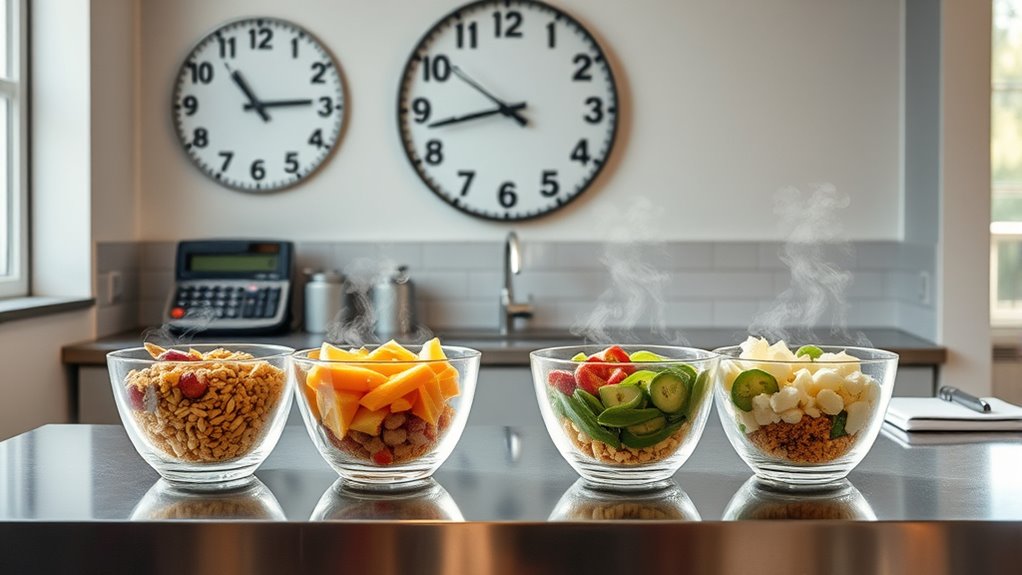
When it comes to weight and health, timing can matter more than how much you eat. You’ll often hear that, but the real takeaway is practical: consistent meal timing shapes how your body handles food, fuels activity, and supports steady energy. You’re not chasing perfection; you’re pursuing predictability that reduces cravings, stabilizes blood sugar, and minimizes late-night snacking. In this view, timing vs. volume isn’t about eating less or more overall, it’s about aligning meals with your daily rhythm so you don’t trigger alarms in appetite signals or overwhelm your metabolism.
You’ll benefit from a clear, repeatable schedule that fits your life. A predictable routine helps your body anticipate calories, which can lessen hunger swings between meals. When you’re consistent, you’re less prone to erratic grazing or skipping meals, both of which can push you toward overeating later. This isn’t about rigid deprivation; it’s about building a rhythm that supports steady energy, better mood, and easier appetite control.
Consider how schedule vs. portions play out in real life. You don’t need to obsess over every gram, but you do want reliable meal timing that matches your activities. For many people, three balanced meals with a couple of mindful snacks creates a steadier blood sugar response than irregular, large meals. The goal is to avoid long fasting periods followed by oversized portions, which can spike hunger and lead to overeating. When you focus on consistency, you’re more likely to choose portions that align with your day’s energy output, not just impulsive cravings.
Evidence supports this approach. Studies show that regular eating patterns are associated with better weight management, improved metabolic markers, and reduced risk of late-day overeating. You don’t have to track every minute, but a rough framework helps: aim for meals roughly every four to six hours, and tailor the window to your schedule. If mornings are busy, a solid breakfast and mid-morning snack can prevent a crash that pushes you toward convenience foods later. If evenings are demanding, a planned dinner and a small post-dinner option can curb late-night urges without feeling restrictive.
To implement, start with a simple baseline: set three main meals at similar times each day and include one to two snacks if needed. Prioritize nutrient-dense choices that supply fiber, protein, and healthy fats to promote fullness and steady energy. Remember the distinction between timing vs. volume: you’re not chasing tiny portions, you’re seeking a dependable rhythm that supports you. If you occasionally deviate, acknowledge it without guilt and return to your schedule the next day. Over weeks, this consistency tends to reduce mindless eating and stabilize portions naturally.
In practice, you’ll notice that your cravings align more with routine than with randomness. You’ll gain clarity about your body’s needs, not just today’s appetite. By honoring a steady schedule, you’re embracing a practical, evidence-based path to healthier eating without the burden of constant measurement.
Common Questions
Do Weekends Disrupt the Benefits of Consistent Meal Timing?
Weekend variability can momentarily blunt benefits, but it doesn’t erase them. You can stay on track by keeping a roughly consistent eating window, even if a few meals shift. Use social eating to your advantage: plan ahead, choose balanced options, and avoid extreme deviations. Regular meals still support metabolism and appetite control, so you’re not starting from scratch after weekends. Track patterns, not perfection, and reset promptly after gatherings to maintain long‑term gains.
Can Flexible Timing Still Support Metabolic Health Goals?
Flexible timing can still support metabolic health, especially when you prioritize consistency around your daily eating window and nutrient quality. You’ll likely see benefits by keeping regular meals most days, avoiding long gaps, and aligning meals with activity. Personalize your plan—listen to hunger signals, monitor energy, and adjust. Evidence suggests flexibility helps adherence, but aim for stable patterns most days to optimize metabolic health without rigid schedules. Consider gradual shifts and professional guidance.
How Does Sleep Quality Interact With Meal Timing?
Sleep quality interacts with meal timing by reinforcing circadian alignment; when you align meals with your internal clock, you may sleep deeper and wake more refreshed. Poor sleep can disrupt hunger hormones and craving patterns, making timing harder. Prioritize regular, daytime eating and a light snack if needed before bedtime. Aim for consistent meal windows to support sleep quality and circadian alignment, improving energy, mood, and metabolic health in practical, patient‑centered ways.
Is Timing More Important Than Total Daily Calories?
Timing vs. calories isn’t an absolute; both matter, but steady meal timing often supports better appetite control and metabolism. You’ll benefit from meal timing flexibility—adjusting when you eat to fit your day—while still honoring total daily calories. Focus on consistency if sleep, energy, or hunger cues lean off. Use regularnabits of protein and fiber, and monitor how timing changes affect weight and cravings. Your plan should be practical, evidence-based, and patient-centered.
What About Caffeine or Alcohol on Meal Schedules?
Caffeine timing and alcohol timing can slightly disrupt consistency, but they don’t derail your overall patterns if used thoughtfully. You’ll benefit from aligning caffeine with your eating schedule and avoiding late-night doses, and you’ll aim to finish alcohol at least a few hours before bed. Consistent meals still matter most, so pace, portions, and regularity trump sporadic sipping. Track how you feel, adjust timing, and keep your sleep and energy steady.